Growing herbs has always been on my gardening wish list, and this year I finally made it happen. What surprised me most is how simple, beautiful, and rewarding an outdoor herb garden can be — even in a small space. You don’t need anything fancy to get started. A couple of raised boxes or even a few pots are enough to create a space that’s both practical and pretty.
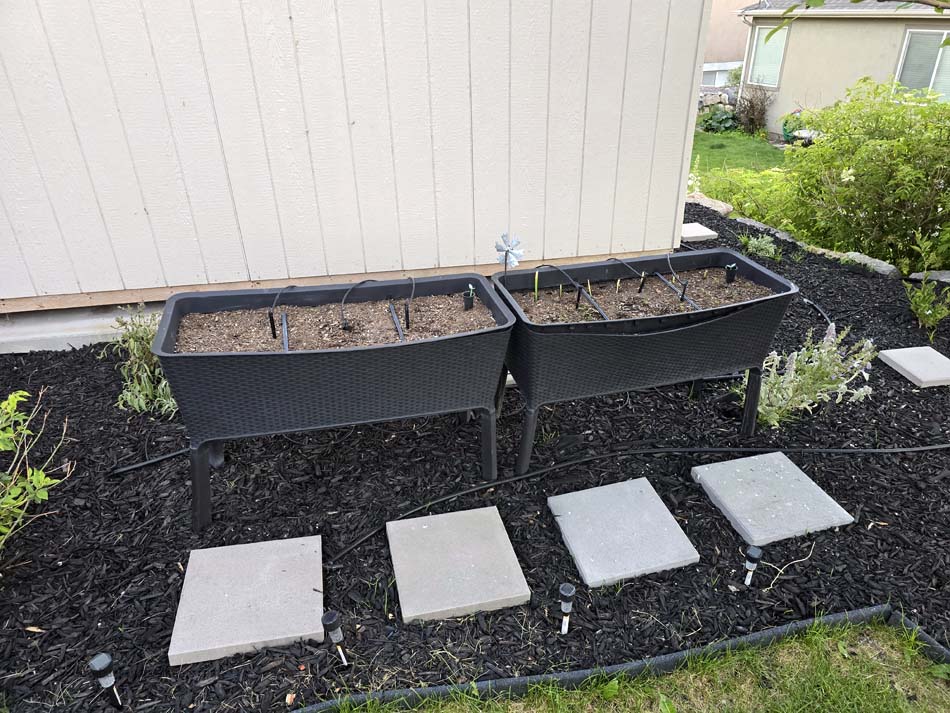
This spring, I moved two grow boxes from my back porch to a sunnier spot in the yard and transplanted two sage plants and a lamb’s ear nearby to anchor the space. Herbs are forgiving, easy to grow, and incredibly satisfying because you can harvest from them all season long. Once you get the basic setup in place, an herb garden becomes a natural extension of your yard and a huge benefit to your vegetable garden.
How I Built the Outdoor Herb Garden
I stI started with raised boxes sized to fit the space I had available, where the plants receive steady afternoon sun. Herbs thrive in warm, bright conditions, so choosing a spot with at least five hours of sunlight makes a noticeable difference in growth and flavor.
To build the garden, I followed a few simple steps:
- Filled the boxes with a light, well‑draining soil mix
- Added a small amount of balanced fertilizer to support early growth
- Grouped herbs by their sunlight and water needs
- Left space between plants so they can spread naturally
Once the soil was in place, planting took less than an hour. If you are wondering what to plant and what would work great in your area, the USU Extension has a great resource for Utah.
What I Planted
I chose a mix of perennial and annual herbs so the garden would feel full right away but also return year after year. Perennials create the long‑term structure, while annuals fill in the gaps and give me fast, flavorful harvests.
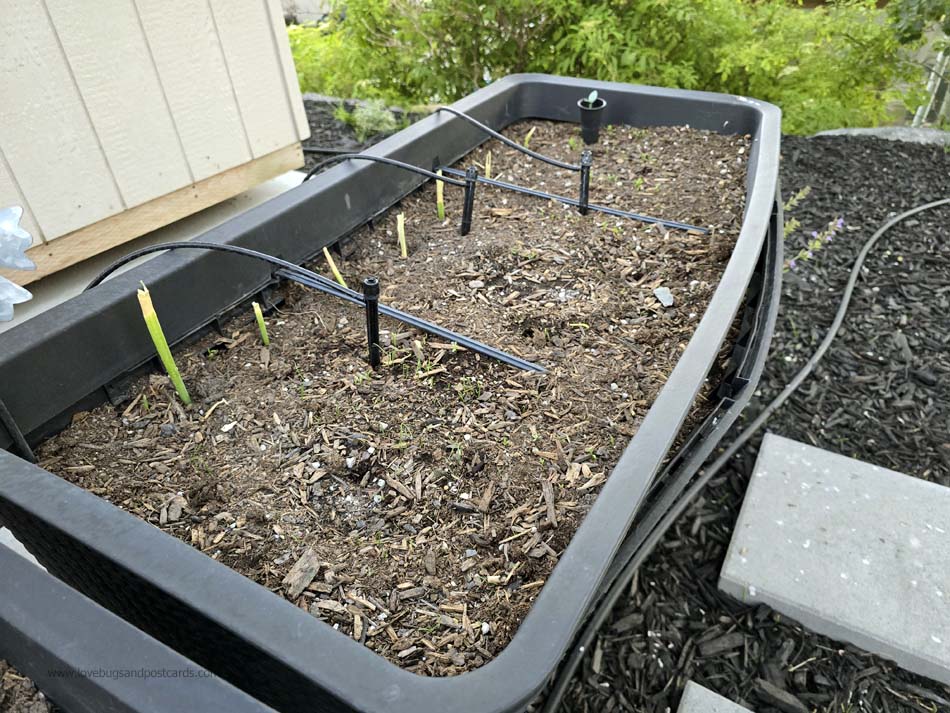
This year, I planted the herbs listed below, along with companion plants along the edges: marigolds, chamomile, green onions, and nasturtiums. The two sage transplants are doing well, and I’m hoping they get big and spread. I also plan to add rosemary to my ground plants. Mint will go in a large pot to keep it contained, and dill will be grown in a container as well since it spreads easily. Overall, I think this will be a well‑rounded herb garden, and I’m excited to start learning more about saving seeds, propagating plants, and expanding what I grow. I’ll also be sharing my journey on using, drying, and storing the herbs — so if you have any tips, please let me know.
My Herb Garden Layout This Year:
Box 1:
- Oregano (perennial)
- Thyme (perennial)
- Basil (annual)
Box 2:
- Parsley (annual)
- Cilantro (annual)
- Garlic chives (perennial)
Edges:
- Marigolds (annual)
- Chamomile (annual)
- Green onions (annual)
- Nasturtiums (annual)
Ground plants:
- Sage (perennial)
- Rosemary (perennial)
Containers:
- Mint (perennial)
- Dill (annual)
This combination gives me steady growth, a variety of flavors, and a garden that stays productive from spring through fall.
How I Care for It
Herbs are low‑maintenance, but a few habits keep them healthy and producing well:
- Water deeply but not constantly. Most herbs prefer soil that dries slightly between waterings.
- Trim regularly. Cutting herbs encourages fuller growth and prevents them from getting woody or leggy.
- Fertilize lightly. Too much fertilizer causes herbs to grow fast but lose flavor. A half‑strength feeding every few weeks is enough.
- Watch the sun. If a plant starts to yellow or stretch, it may need more light or a slight shift in placement.
With these simple steps, the outdoor herb garden stays tidy, productive, and easy to manage.
How You Can Make an Outdoor Herb Garden Too
Creating an outdoor herb garden doesn’t require much space or experience. Start with a small raised bed, a few containers, or even a single planter box. Choose herbs you know you’ll use, and place them where they’ll receive consistent sunlight.
A simple setup includes:
- One or two raised boxes or large pots
- Quality potting soil
- A mix of perennial and annual herbs
- A watering plan that fits your climate
Once planted, herbs grow quickly and reward you with fresh flavor, fragrant leaves, and a garden space that feels both practical and beautiful. The best part is being able to step outside and snip exactly what you need for dinner. You can also dry your herbs to use throughout the winter and spring until everything grows back again.
Building this herb garden has reminded me how simple projects can make the biggest difference. A few boxes, a handful of herbs, and a sunny spot are all you really need. If you’ve been thinking about starting one, this is your sign — it’s easier than you think, and the payoff is huge. Fresh herbs right outside your door truly change the way you cook and garden.
More posts you may like:
Tips for growing corn in a small space
Leave a Reply