
Unity in marriage isn’t something that appears overnight. It’s something couples build through small, intentional choices that strengthen trust, deepen connection, and create a sense of partnership. Whether you approach marriage from a religious foundation or simply from a desire to build a strong relationship, unity grows through consistent daily habits. Unity in marriage is something you strive for every day.
I have been married for just over 23 years, and that time has taught me so much about relationships. We’ve raised four children (our youngest is 15 and our oldest is 21), and we’re now entering our grandparenting years.
One thing that has helped us through the ups and downs—death, loss, trials, happiness, and joy—is our faith. Many principles taught by The Church of Jesus Christ emphasize love, service, and shared purpose. These ideas translate beautifully into universal relationship practices that benefit any couple, regardless of belief, but they are especially powerful when grounded in faith in God. Unity is ultimately about choosing each other, supporting each other, and working together toward a meaningful life.
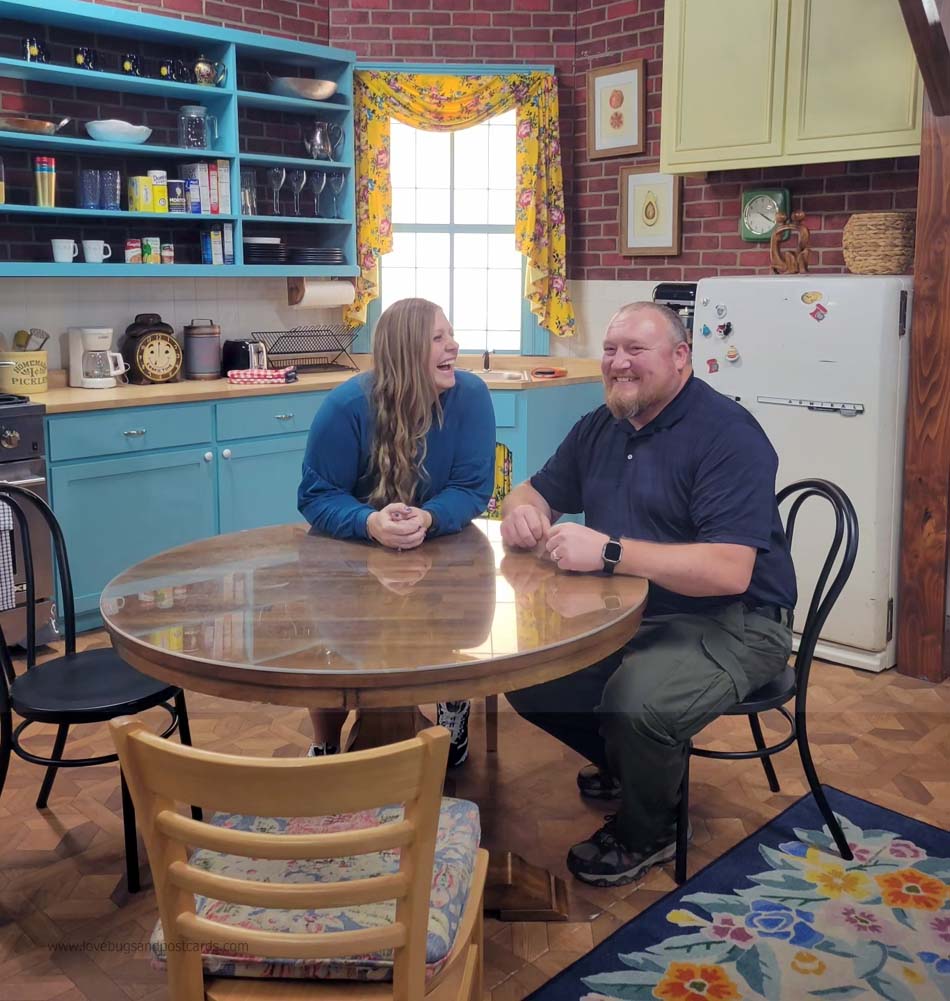
What Unity in Marriage Really Looks Like
Unity doesn’t mean agreeing on everything or becoming the same person. It means:
- Working as a team instead of competing
- Communicating honestly and respectfully
- Supporting each other’s goals and growth
- Making decisions together
- Creating a home where both people feel safe and valued
Unity is built when couples consistently choose connection over conflict and partnership over pride. I’m excited to share seven daily practices that have made a big difference in our marital unity.
Unity in Marriage: Simple Daily Practices That Make a Big Difference
1. Communicate with Intention
Strong communication is the foundation of unity. Couples who feel connected talk openly about their needs, feelings, and expectations.
Daily practices that help:
- Share one meaningful conversation each day
- Listen without interrupting
- Ask clarifying questions instead of assuming
- Express appreciation out loud
- Address concerns early instead of letting them build up
Healthy communication creates emotional safety, which is essential for unity. If this is a struggle in your relationship, look for triggers that lead to miscommunication or conflict. A counselor, a bishop, or another trusted resource can help you learn healthier communication patterns.
2. Serve Each Other in Small Ways
Service is a powerful relationship builder. In religious teachings, service is an expression of love. In everyday life, it’s a way of saying, “I see you, and I care.”
Simple acts of service include:
- Taking over a task your spouse usually handles
- Bringing them a drink or snack
- Offering help before being asked
- Doing something that makes their day easier
These small efforts create a pattern of kindness that strengthens unity over time. My husband has come home from work and seen that I had a long day, so he made dinner or did a chore. I’ve done the same for him. We work together as a team to take care of things and make each other a priority.
3. Protect Time Together
Unity grows when couples consistently invest in their relationship. Even busy families can create small moments of connection.
We’re always looking for ways to spend time together—date nights, grocery shopping, or driving to get a soda so we can talk without distractions. The key is that your time together is truly together, not spent on devices.
Try:
- A daily check‑in after work
- A weekly date night
- A short walk together
- Cooking a meal as a team
- Setting aside screens for a few minutes of conversation
Time together doesn’t have to be elaborate. It just needs to be intentional and comfortable for both of you.

4. Resolve Conflict with Respect
Every marriage experiences disagreements. Unity isn’t the absence of conflict; it’s the ability to work through it without damaging the relationship.
Healthy conflict includes:
- Staying calm and avoiding personal attacks
- Taking breaks when emotions run high
- Focusing on solutions instead of blame
- Apologizing sincerely
- Forgiving quickly and moving forward
Many faith‑based teachings emphasize humility and forgiveness. These principles are universally powerful in creating unity. Not every conflict will have the resolution you want, but you can still model healthy conflict resolution—especially for your children. Talk about what could have been done differently without blaming or criticizing your spouse. Keep yourself accountable too.
5. Build Shared Purpose
Couples feel more unified when they’re working toward something together—spiritual, practical, or personal.
My husband and I have made many goals together. Some work out, some don’t, and that’s okay. Flexibility is part of unity. We love having projects and staying busy—yard work, house updates, car repairs, travel plans, financial goals. These shared efforts bring us closer and give us purpose, even on hard days.
Examples include:
- Setting family goals
- Planning finances as a team
- Creating traditions
- Supporting each other’s dreams
- Making decisions with long‑term vision
It’s also helpful to include your kids in some of these goals. Personal, couple, and family goals all strengthen unity.
6. Honor Each Other’s Individuality
Unity doesn’t require sameness. Respecting each other’s differences actually strengthens the relationship.
This doesn’t mean living separate lives. It means allowing space for personal hobbies or interests while still staying connected. If one of you loves running and the other doesn’t, that’s okay. The key is keeping each other involved so no one feels excluded.
Practice:
- Encouraging personal hobbies
- Supporting individual growth
- Appreciating each other’s strengths
- Allowing space for alone time
A unified marriage is one where both people feel free to be themselves while still choosing togetherness.
7. Choose Love Daily
Unity is built through consistent, everyday choices. You get to choose how you act and how you react.
We’re all human, and we all make mistakes. Being able to admit when you’re wrong—or showing compassion and forgiveness when your spouse messes up—says a lot about your maturity and commitment.
Daily choices that strengthen unity:
- Speak kindly
- Show affection
- Express gratitude
- Offer patience
- Give the benefit of the doubt
These small decisions create a marriage where both partners feel secure, supported, and deeply connected.
Unity in Marriage
Unity in marriage isn’t about perfection. It’s about commitment, compassion, and daily effort. When couples communicate openly, serve each other, protect their time, and work toward shared goals, unity becomes a natural part of their relationship.
Whether grounded in faith, personal values, or a desire to build a strong partnership, unity is something every couple can create—one simple practice at a time.

More posts you may like:
What Is a Missionary for The Church of Jesus Christ?

Leave a Reply