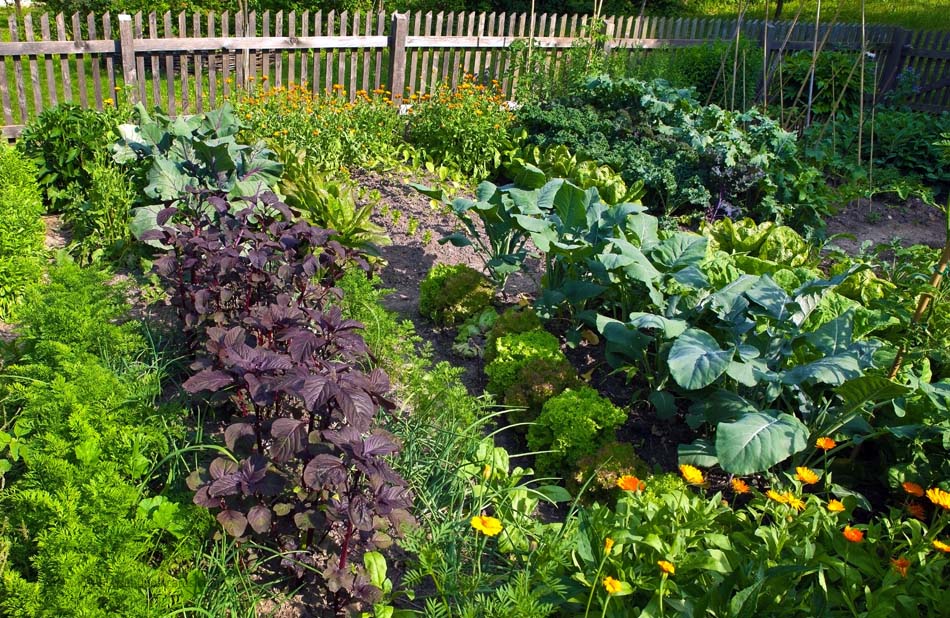
Companion planting is the practice of growing certain plants together to improve growth, deter pests, attract pollinators, or enhance flavor. It’s a simple, natural way to create a healthier, more productive garden. Below is a guide to twenty popular vegetables and fruits, along with their most effective companion plants and a few pairings to avoid. If you are planning your summer garden or trying to figure out what to plant in your garden, this gives you a great start on the best companion plants for gardens.
Best companion plants for gardens:
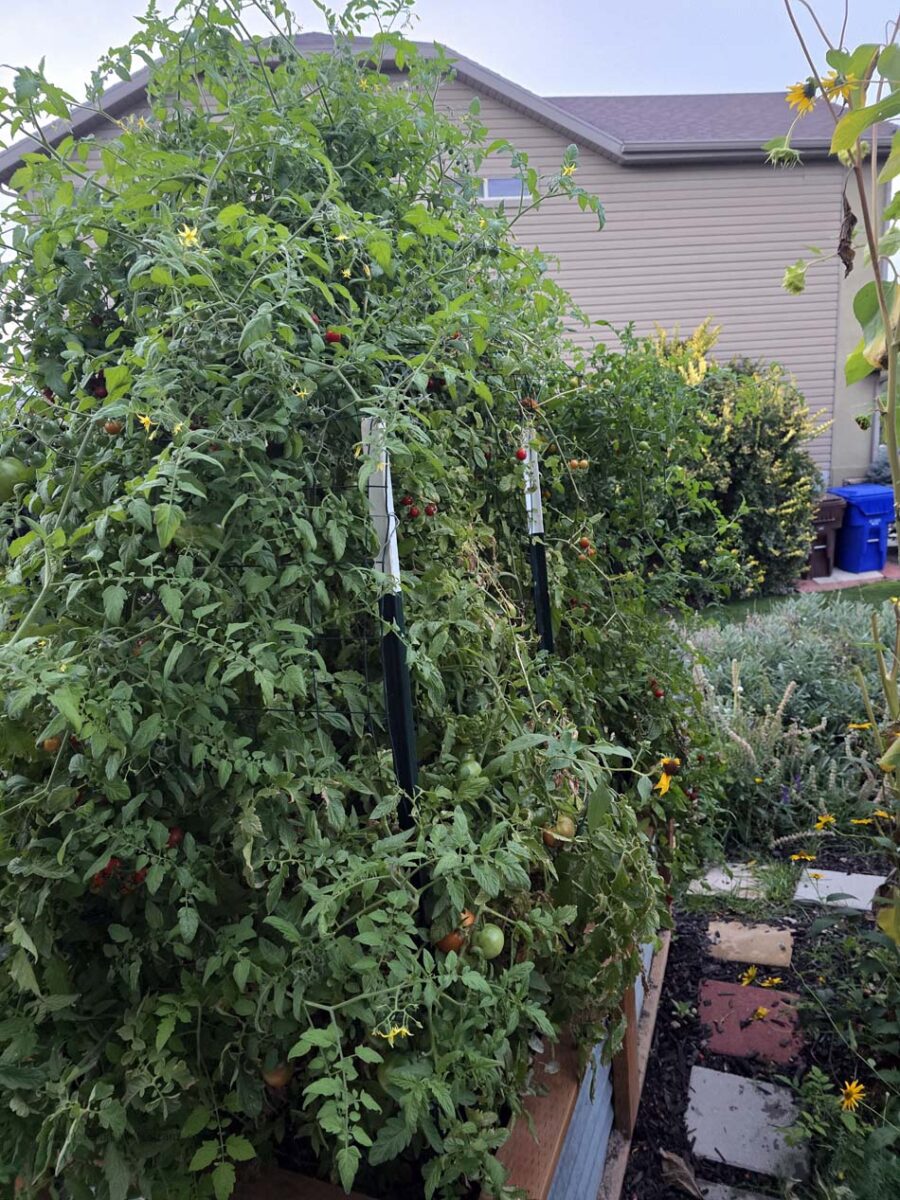
Tomatoes – Tomatoes thrive when planted after the danger of frost has passed, typically late spring. They prefer full sun and warm soil.
Companion planting for tomatoes-
- Basil improves flavor and growth while deterring aphids and hornworms.
- Marigolds help repel nematodes and beetles.
- Carrots can be planted nearby to loosen the soil around tomato roots.
- Avoid planting near corn or fennel.
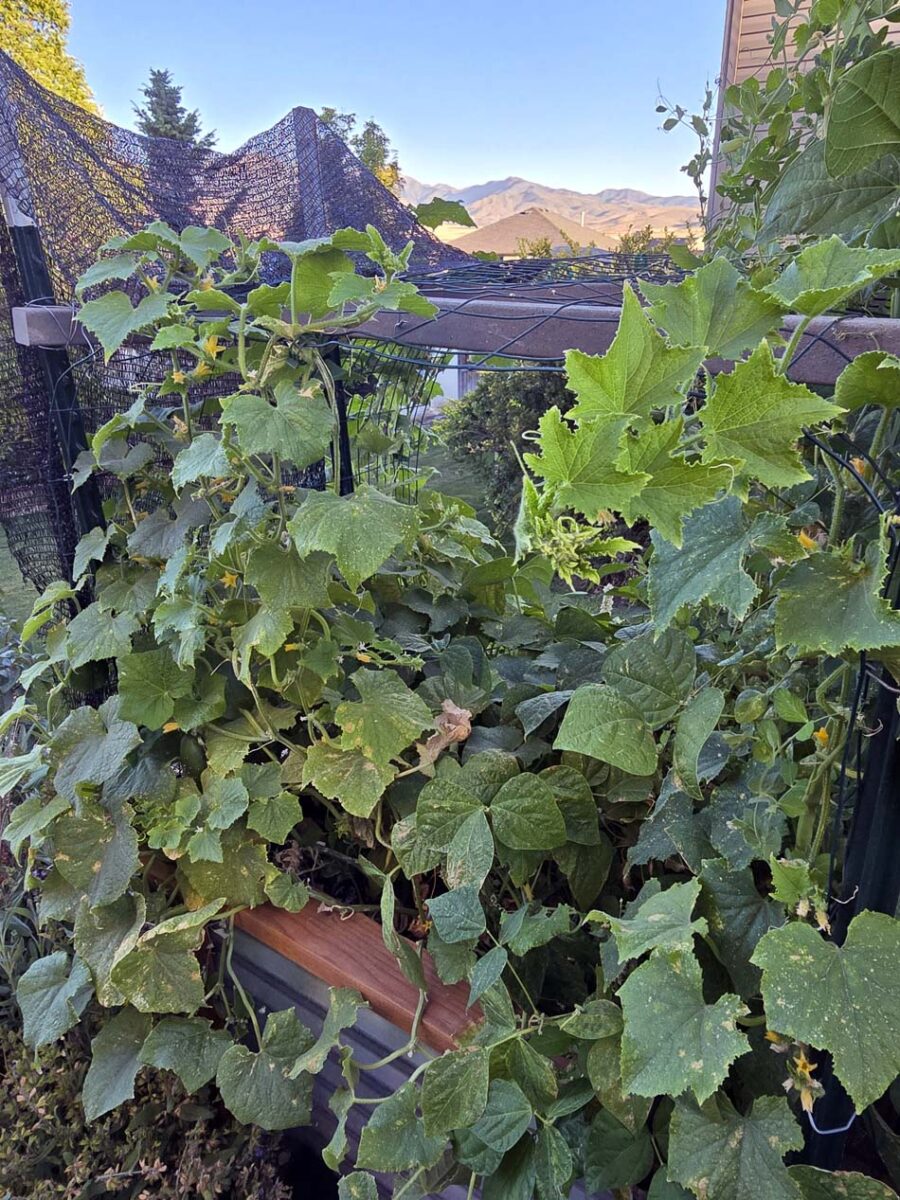
Cucumbers – Cucumbers grow best when planted in late spring once soil temperatures reach at least 70°F. They need consistent moisture and full sun.
Companion planting for cucumbers-
- Radishes help deter cucumber beetles
- Nasturtiums repel aphids and beetles.
- Dill attracts beneficial insects that protect cucumbers.
- Avoid planting near potatoes or strong aromatic herbs like sage.
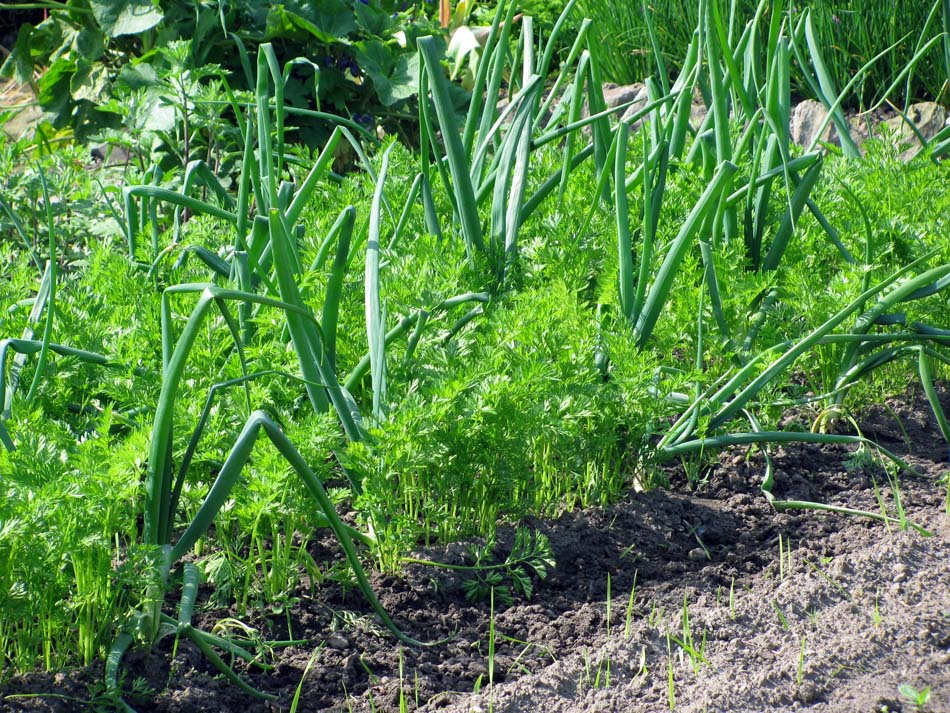
Carrots – Carrots can be planted early in spring as soon as the soil can be worked. They prefer loose, well‑drained soil and cooler temperatures.
Companion planting for carrots –
- Onions, leeks, and chives help deter carrot flies.
- Sage and rosemary confuse pests with their strong scent.
- Tomatoes can provide light shade as the weather warms.
- Avoid planting near dill or parsnips
Lettuce – Lettuce is a cool‑season crop that can be planted in early spring and again in fall. It prefers partial shade in hot climates.
Companion planting for lettuce –
- Broccoli and kale provide helpful shade to prevent bolting.
- Carrots share similar water needs
- Radishes help break up compacted soil.
- Avoid planting near parsley.

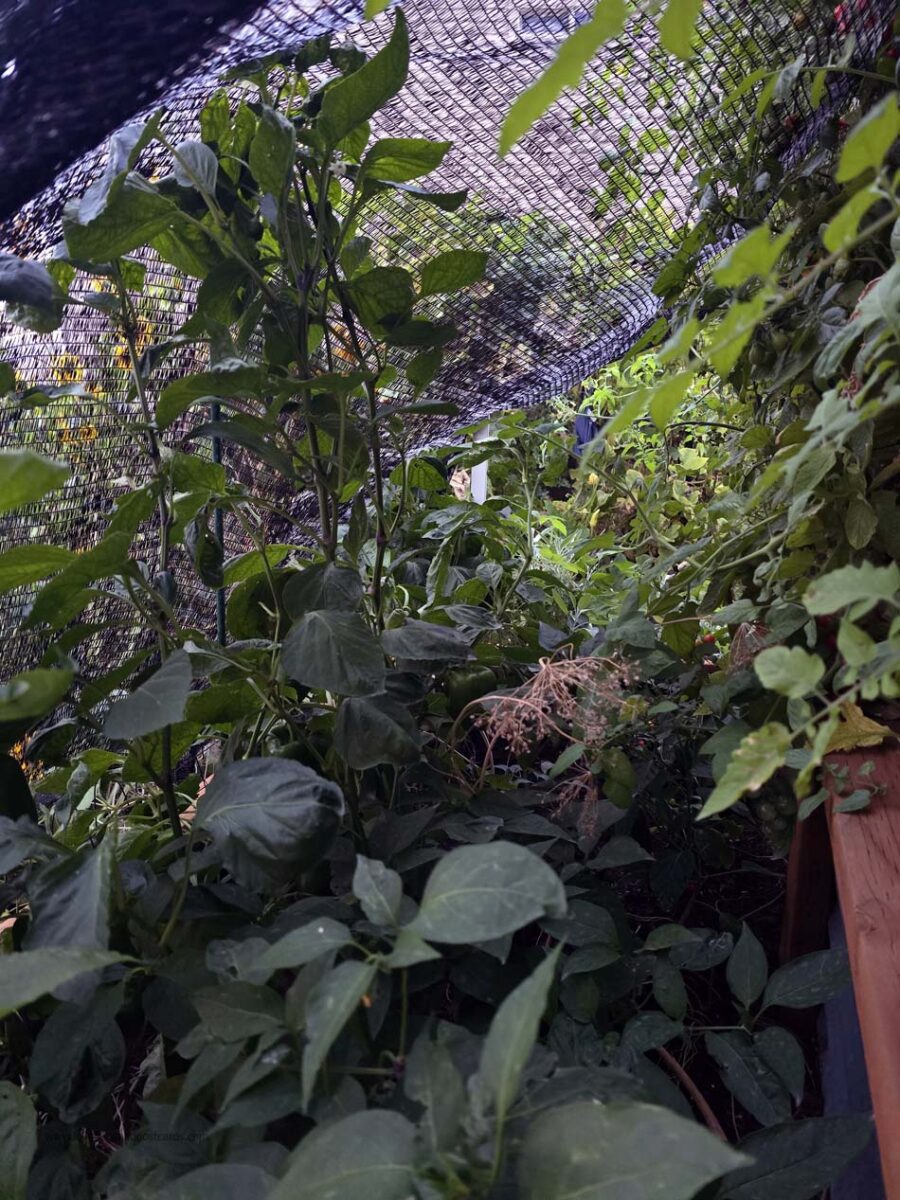
Peppers – Peppers need warm soil and should be planted after frost, usually in mid-to-late spring. They thrive in full sun and consistent heat. Use a sun cloth to avoid wilting.
Companion plants for peppers –
- Basil improves flavor and repels aphids.
- Onions deter pests
- Marigolds help reduce beetle pressure.
- Avoid planting near fennel
Beans (Bush and Pole) – Beans can be planted once soil temperatures reach 60°F, typically mid‑spring. They grow well in full sun and do not require heavy fertilization.
Companion planting for beans –
- Corn provides natural support for pole beans
- Squash shades the soil and suppresses weeds.
- Marigolds help deter beetles.
- Avoid planting near onions or garlic.
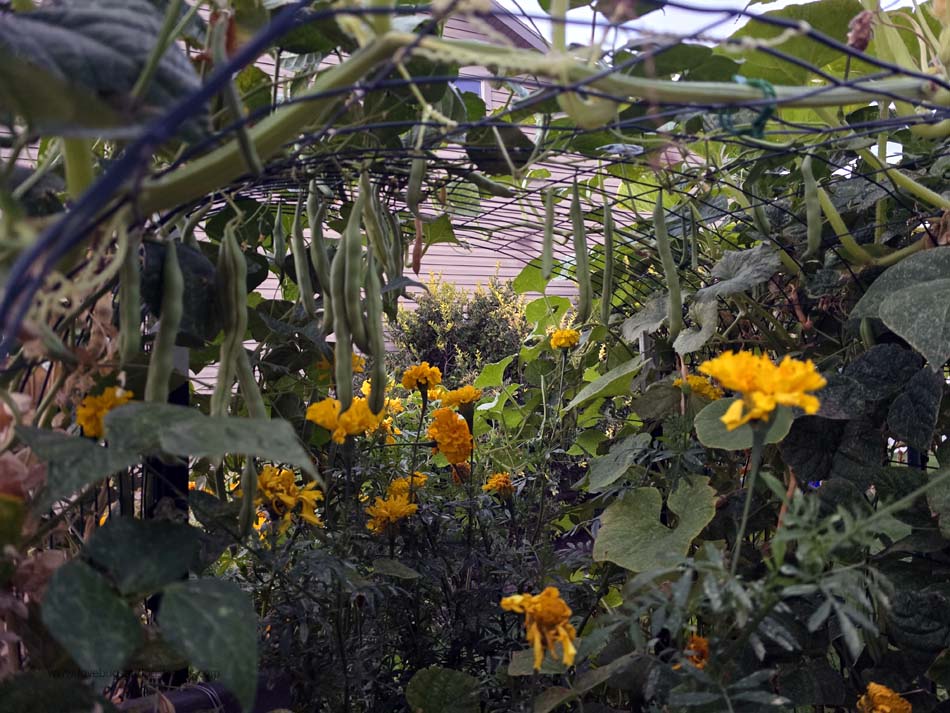
Cabbage and Other Brassicas – Cabbage, broccoli, cauliflower, and kale prefer cool weather and can be planted in early spring or late summer for fall harvest.
Companion planting for cabbage and other brassicas –
- Thyme, rosemary, and mint help repel cabbage moths.
- Onions deter pests
- Nasturtiums act as a trap crop for aphids.
- Avoid planting near strawberries
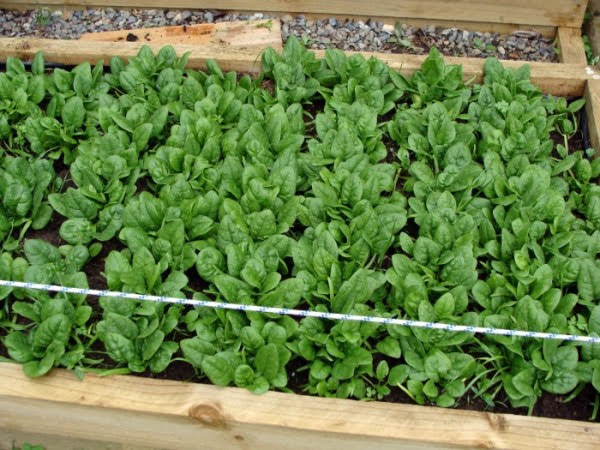
Spinach – Spinach thrives in cool weather and can be planted very early in spring or in fall. It prefers partial shade as temperatures rise.
Companion planting for spinach –
- Peas and beans add nitrogen to the soil
- Strawberries make a good ground‑cover partner
- Tomatoes and peppers can provide shade in warm weather
- Avoid planting near potatoes
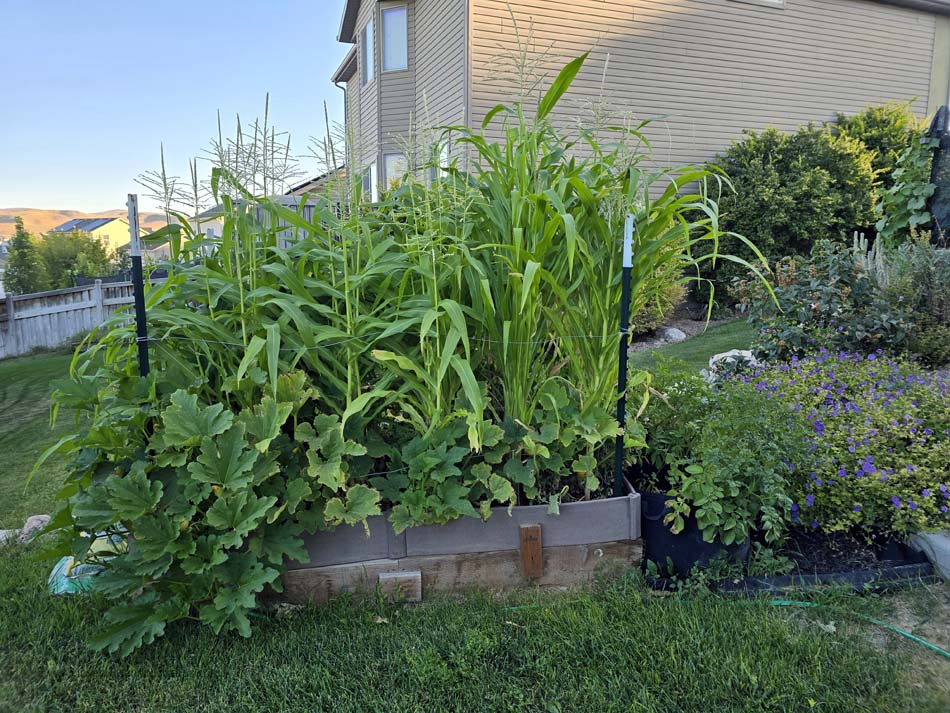
Corn – Corn requires warm soil and should be planted in late spring. It needs full sun and consistent moisture.
Companion planting for corn –
- Beans fix nitrogen
- Squash shades the soil, forming the classic Three Sisters combination
- Sunflowers attract pollinators that benefit corn
- Avoid planting near tomatoes
Onions – Onions can be planted early in spring as soon as the soil is workable. They prefer full sun and well‑drained soil.
Companion planting for onions –
- Carrots benefit from onion’s pest‑deterring properties
- Beets and lettuce grow well alongside onions without competing for nutrients
- Avoid planting near beans or peas
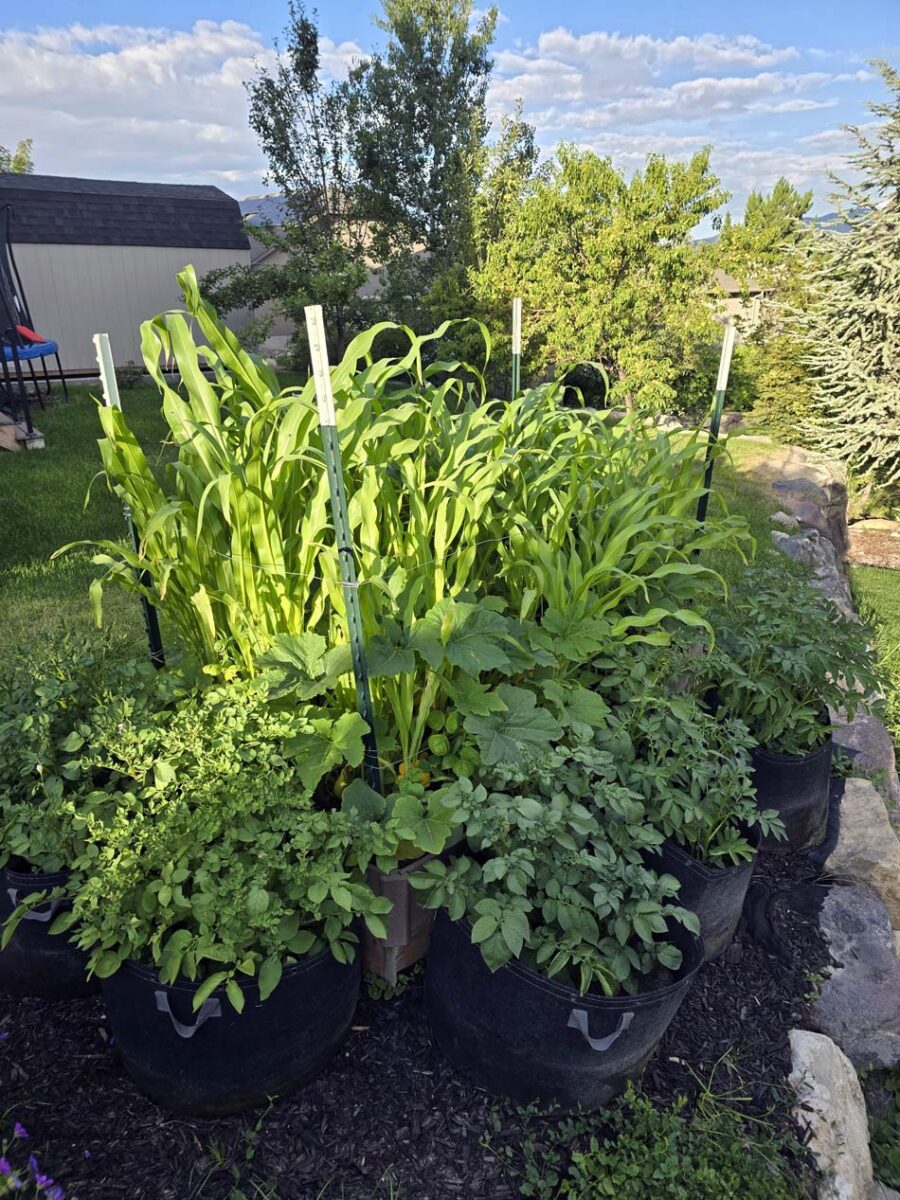
Potatoes – Potatoes are planted in early spring when soil temperatures reach about 50°F. They prefer loose, fertile soil and consistent moisture.
Companion planting for potatoes –
- Beans improve soil fertility
- Cabbage family plants help deter pests
- Marigolds reduce beetle pressure
- Avoid planting near tomatoes, cucumbers, or squash.
Zucchini and Summer Squash – Plant zucchini after frost when the soil is warm. These plants need full sun and plenty of space.
Companion planting for Zucchini and Summer Squash –
- Nasturtiums repel squash bugs
- Radishes deter beetles
- Corn can offer partial shade in hot climates
- Avoid planting near potatoes
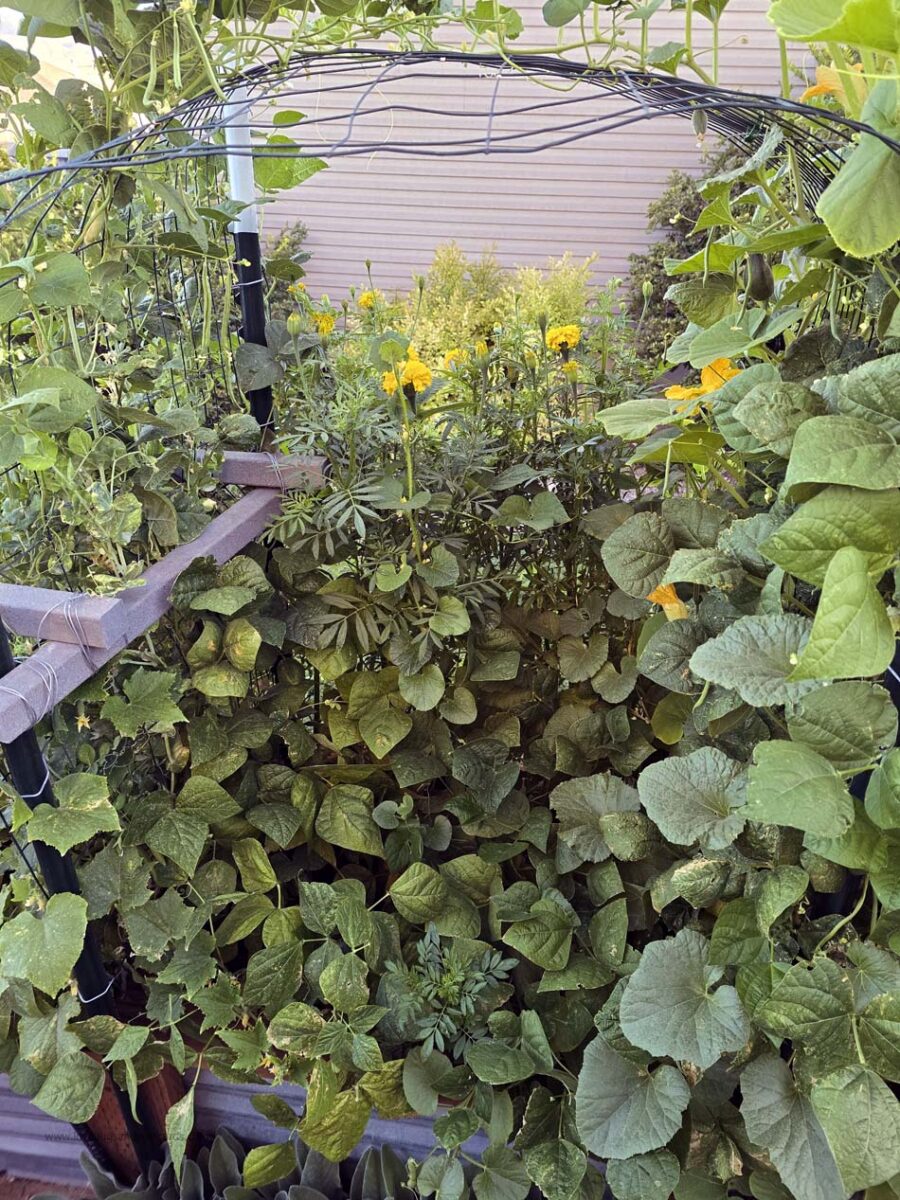
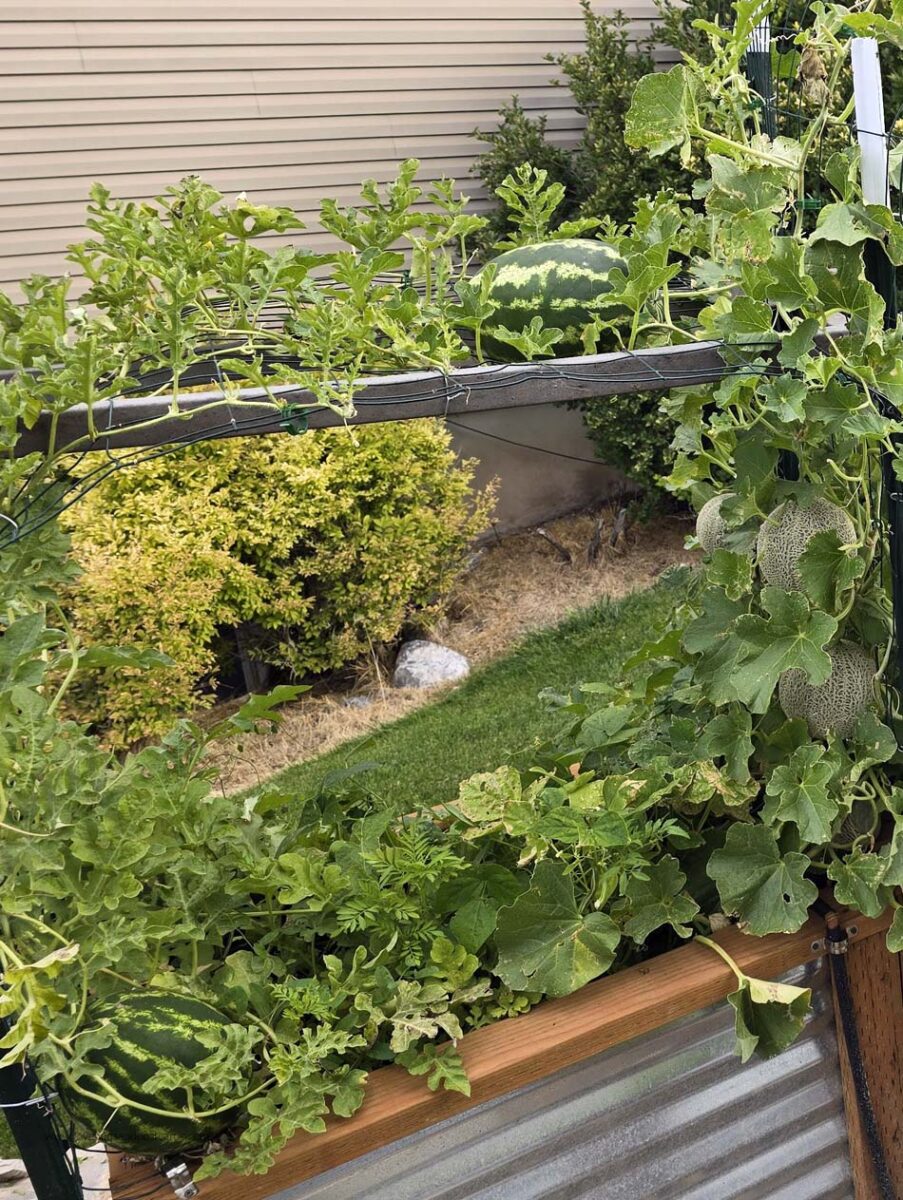
Melons – Melons need warm soil and should be planted in late spring. They require full sun and plenty of room to sprawl. Companion planting for melons –
- Marigolds help repel nematodes
- Radishes deter beetles
- Corn provides wind protection
- Avoid planting near potatoes or cucumbers
Garlic – Garlic is planted in the fall and harvested the following summer. It prefers full sun and well‑drained soil.
Companion planting for garlic –
- Tomatoes benefit from garlic’s ability to repel spider mites
- Strawberries experience fewer fungal issues when planted near garlic
- Roses also benefit from garlic’s pest‑deterring qualities
- Avoid planting near beans or peas
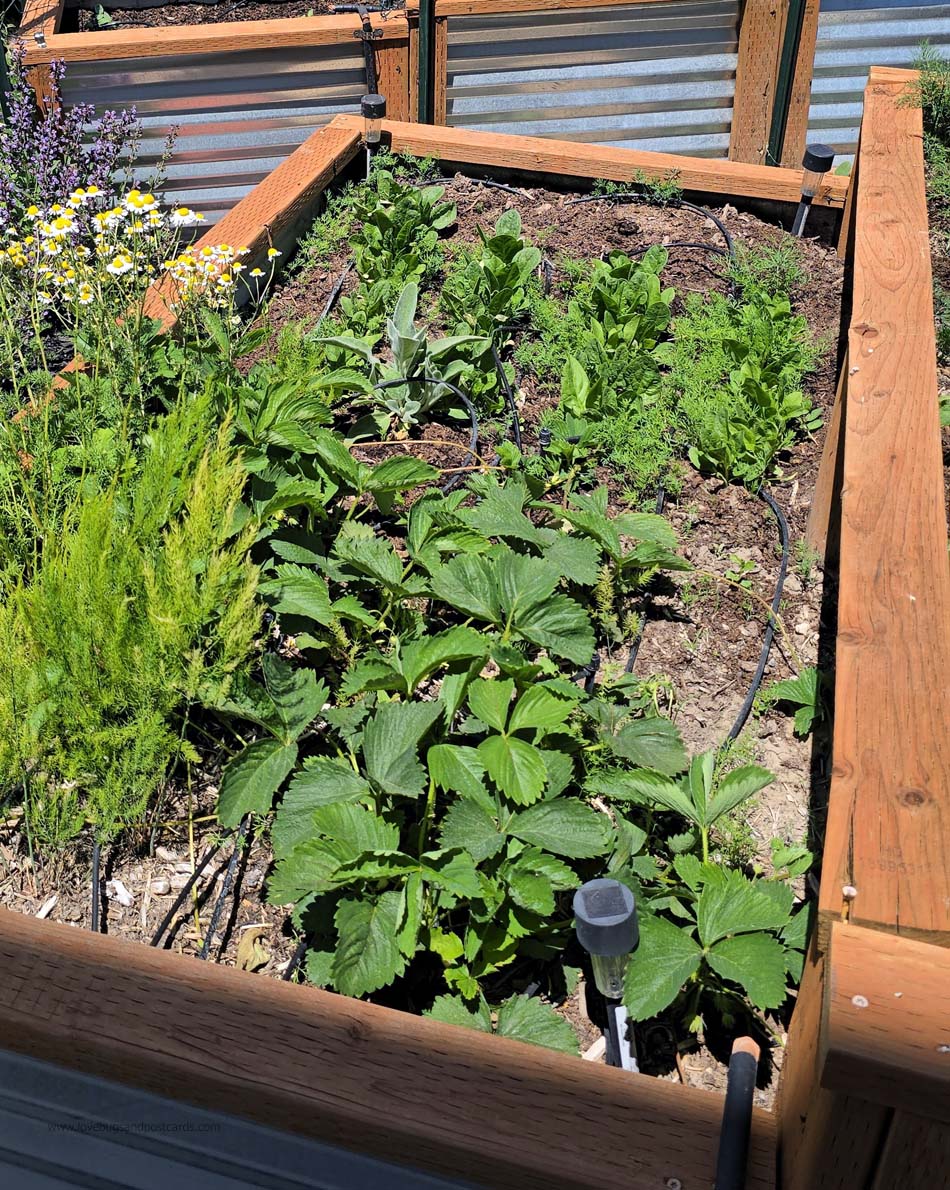
Strawberries – Strawberries are planted in early spring or fall, depending on the variety. They prefer full sun and rich, well‑drained soil.
Companion planting for strawberries –
- Spinach makes a good ground‑cover partner
- Borage improves flavor and attracts pollinators
- Thyme helps repel pests
- Avoid planting near cabbage family plants
Kale – Kale grows best in cool weather and can be planted early in spring or late summer. It tolerates partial shade.
Companion planting for kale –
- Onions deter pests
- Thyme and dill attract beneficial insects.
- Beets grow well alongside kale without competing heavily
- Avoid planting near strawberries.
Swiss Chard – Swiss chard can be planted in early spring and harvested throughout the season. It tolerates heat better than many leafy greens.
Companion planting for swiss chard –
- Beans add nitrogen
- Onions deter pests
- Cabbage family plants grow well nearby
- No major plant conflicts
Pumpkins – Pumpkins require warm soil and should be planted in late spring. They need full sun and plenty of space.
Companion planting for corn –
- Corn and beans form a productive trio with pumpkins
- Marigolds help deter beetles
- Oregano acts as a low‑growing pest deterrent
- Avoid planting near potatoes
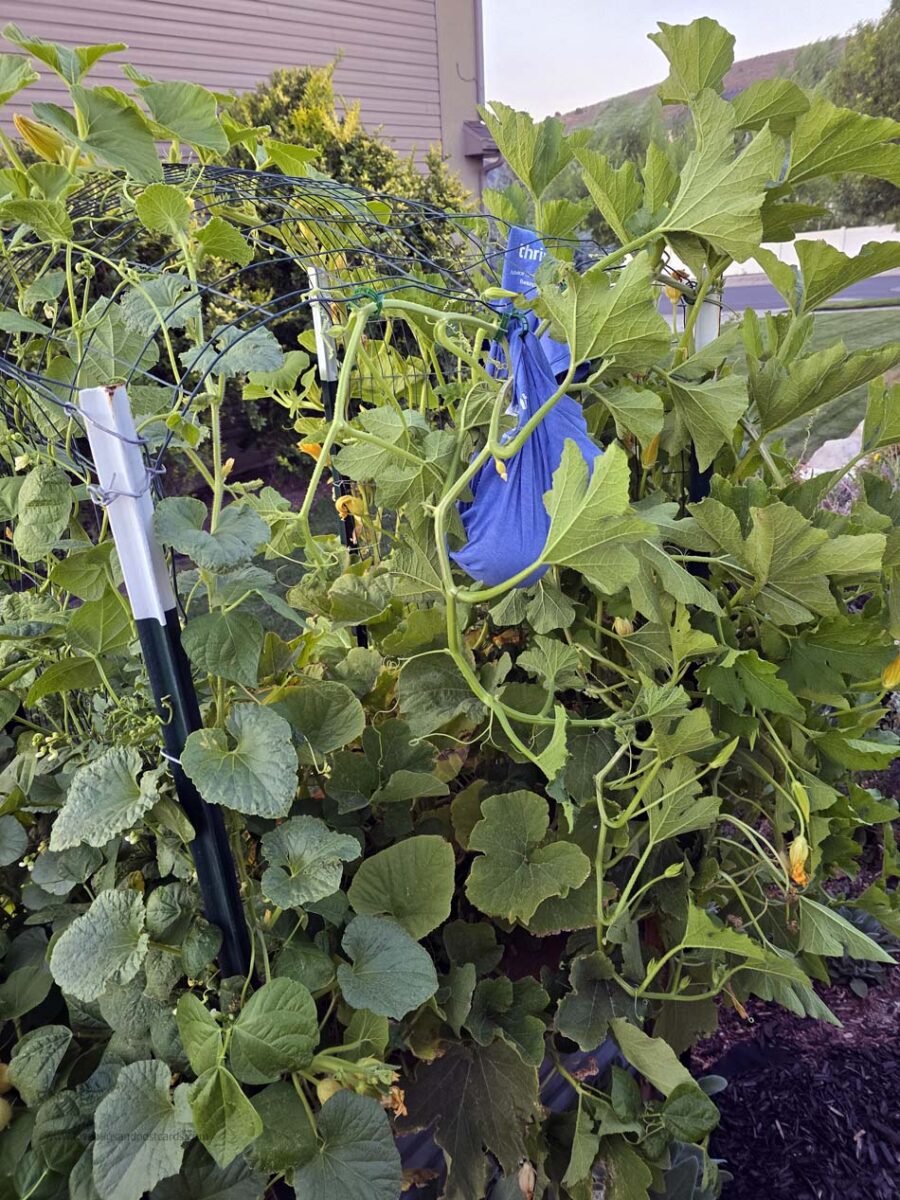
Eggplant – Eggplant needs warm soil and should be planted after frost. It thrives in full sun and heat.
Companion planting for eggplant –
- Beans provide nitrogen
- Marigolds repel beetles
- Spinach grows well in the partial shade eggplant creates
- Avoid planting near fennel
Herbs (Basil, Dill, Parsley, Mint) – Herbs vary in planting time, but most can be planted after frost in spring. Many prefer full sun and well‑drained soil.
Companion planting for herbs –
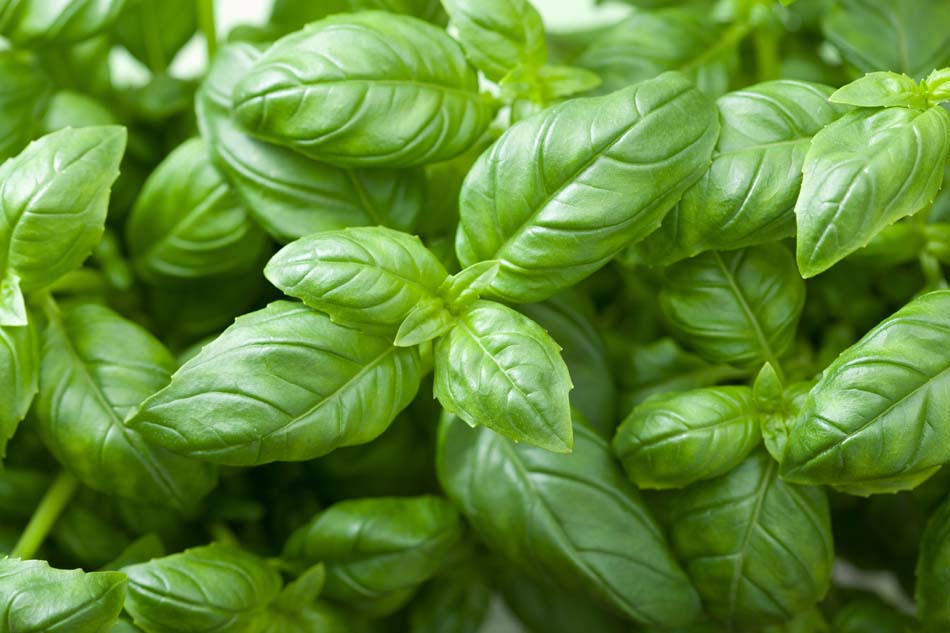
- Basil pairs well with tomatoes and peppers
- Dill supports cucumbers and cabbage
- Parsley grows well with tomatoes and asparagus
- Mint benefits cabbage family plants, but should be contained to prevent spreading
- Avoid planting dill near carrots
- Avoid mint near most plants unless contained
Final Tips for the best companion plants for gardens
Companion planting is one of the most effective ways to create a healthier, more productive garden without relying on chemicals or complicated systems. By pairing vegetables, fruits, and herbs that naturally support one another, you can reduce pest pressure, improve soil health, and make better use of your space. Whether you’re planting early spring crops like lettuce and carrots or warm‑season favorites like tomatoes, peppers, and squash, thoughtful plant combinations can make a noticeable difference in both yield and plant vigor. As you plan your garden layout, consider planting times, sunlight needs, and spacing, along with companion relationships. Over time, these small decisions build a garden that is more resilient, more abundant, and more enjoyable to tend. There are many that overlap, so be sure to check the list and write it out to know the best companion plants for gardens that will work best for you.