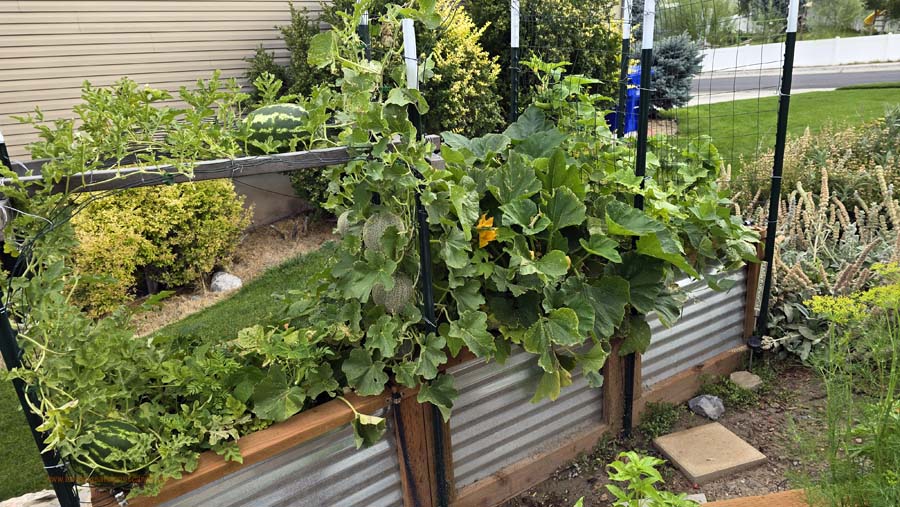
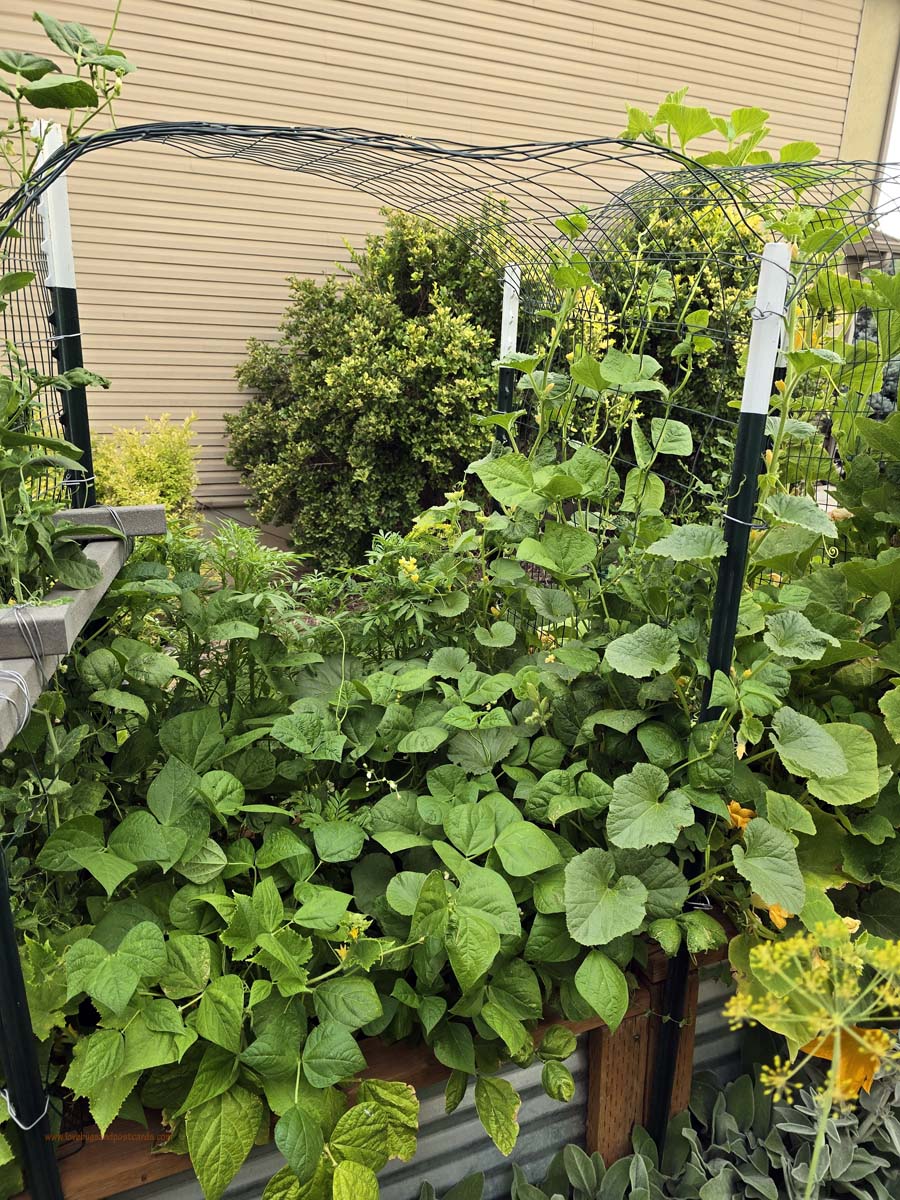
A garden trellis is one of the simplest tools you can use to boost your garden’s productivity, especially for vining plants. Whether you’re growing in raised beds or directly in the ground, a trellis supports your plants, keeps fruits off the ground, and helps you make the most of your garden space. I use plant support clips to “train” my vines and help keep them where they are supposed to be. They are fairly inexpensive and super easy to use. (Here is a link to the ones I get from Amazon)
Why Use a Garden Trellis?
A garden trellis offers many benefits for vining plants:
- Better plant health: Vertical growth improves air circulation and reduces disease risk.
- Easier harvesting: Fruits and vegetables are more visible and accessible.
- Space-saving: Growing upward frees up soil space for other crops.
- Garden beauty: Trellises add structure and visual appeal, turning your garden into a vertical oasis.
Best Vining Plants for a Garden Trellis
Many popular vegetables and fruits thrive on a garden trellis, including:
- Tomatoes: Indeterminate varieties, like cherry and heirloom tomatoes, grow tall and need vertical support for heavy fruit.
- Cucumbers: Both slicing and pickling cucumbers climb naturally, producing straighter, cleaner fruits.
- Squash: Smaller summer squash can climb a sturdy trellis, while larger varieties may need extra support.
- Melons: Cantaloupe and smaller watermelon varieties benefit from a trellis, with cloth slings to support heavier fruit.
- Pumpkins: Small pumpkin varieties climb well, but large pumpkins usually require ground space or reinforced trellises.
- Peas: Sugar snap and snow peas are natural climbers, perfect for spring or fall gardens.
- Other climbers: Pole beans, gourds, and flowering vines like nasturtiums or sweet peas also thrive on trellises.
Garden Trellis in Raised Beds vs. In-Ground Gardening
A trellis works well in both raised beds and in-ground gardens, but there are some differences:
Raised Garden Beds
- Soil warms quickly, helping vines grow faster.
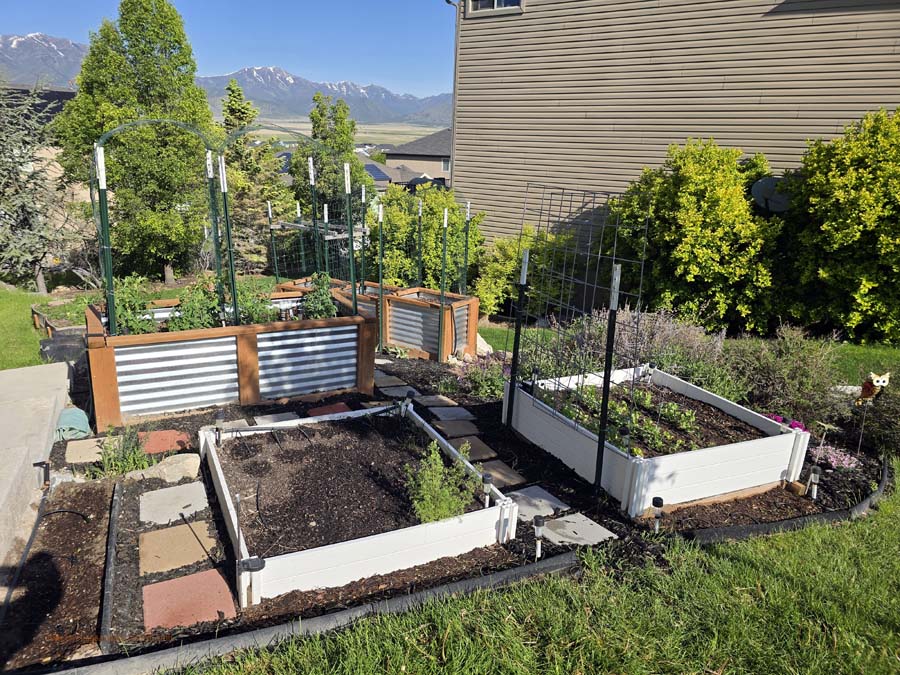
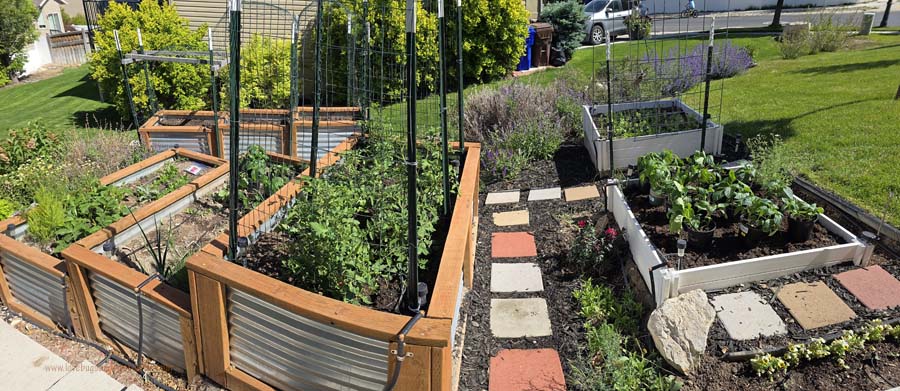
- Trellises can be mounted on the sides or back of the raised bed.
- Lightweight vines, such as peas or cucumbers, grow especially well.
- Allows other plants like spinach, carrots, onions, etc, to be planted underneath
In-Ground Gardening
- Larger trellises can be securely anchored for heavy fruits.
- Place trellises between rows or at the end of garden beds.
- Ensure posts are deep enough to handle wind and plant weight.
Tips for Using a Garden Trellis Effectively
- Choose the right trellis: A-frame, vertical panel, lattice, or teepee designs work for different plants.
- Train plants early: Start guiding young vines onto the trellis to encourage upward growth.
- Prune as needed: Focus energy on fruit production, especially for tomatoes.
- Support heavy fruits: Use cloth slings for melons or squash to prevent damage.
- Watch for pests: Vertical growth reduces ground pests, but monitor for climbing insects.
A garden trellis is more than just support—it’s a way to improve plant health, maximize space, and create a stunning garden display. By providing your vining plants with vertical guidance, you’ll enjoy a more productive, organized, and beautiful garden all season long.