In every family, children grow at different speeds—physically, emotionally, and spiritually. One of the simplest and most powerful ways to teach faith is through something they can see: planting seeds. The Savior often taught in parables about seeds, soil, and growth. These symbols help children of all ages understand how testimonies begin small but can grow into something strong and lasting. Planting seeds of faith means more than just learning; it is about something taking root and growing.
This lesson uses gardening imagery to teach what it means to plant, nourish, and share the seeds of faith, based on principles taught in the scriptures and by leaders of The Church of Jesus Christ of Latter-day Saints.
The Seed: Our Testimony
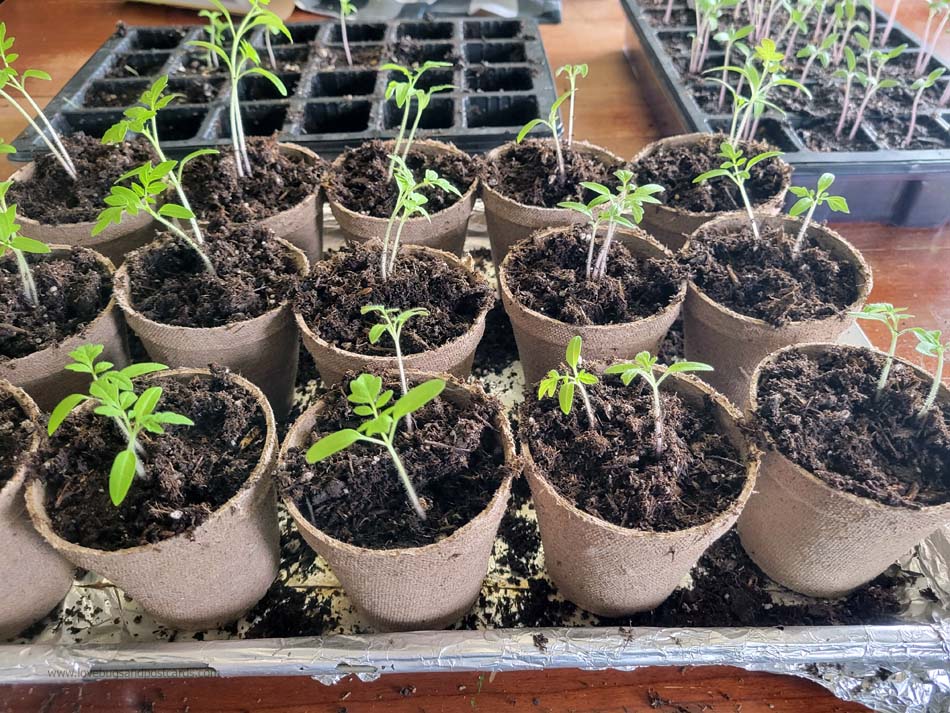
Every testimony begins as a seed. Even very young children can understand that a seed is tiny but full of potential. For older kids and teens, this becomes a reminder that testimonies don’t appear fully grown. They start with simple truths:
God loves me. Jesus Christ is my Savior. The Book of Mormon is true. Heavenly Father hears my prayers.
Alma taught that if we plant the word in our hearts and give it a chance to grow, it will begin to swell and enlighten our understanding (Alma 32). That is the beginning of a testimony.
The Soil: Our Hearts and Homes
Soil represents the environment where faith grows.
For young children, this can be explained simply: soft soil helps seeds grow, and hard soil makes it difficult. When our hearts are soft—willing to listen, learn, and try—we give our testimonies a place to take root. When our hearts are hard-we don’t want to listen or be taught-testimonies will not take root.
For older children and teens, the soil can represent the spiritual environment of the home and personal choices. Soil becomes richer when we:
- Read scriptures together
- Pray individually and as a family
- Attend church and participate
- Ask questions and seek answers
- Choose good influences
Just as gardeners prepare soil by removing rocks and weeds, we prepare our hearts by removing things that choke spiritual growth—content, habits, or attitudes that push the Spirit away.
The Water: Daily Nourishment
Water keeps a seed alive. Without it, even the best soil cannot help a seed grow.
For little ones, water can represent simple habits: saying prayers, singing Primary songs, or listening to scripture stories.
For older kids and teens, water becomes the consistent spiritual nourishment that keeps faith alive:
- Daily scripture study
- Personal prayer
- Repentance
- Making good choices
- Feeling and recognizing the Spirit
Watering a seed once is not enough. Testimonies grow through steady, repeated nourishment.
The Sun: Jesus Christ
The sun gives warmth, light, and life. Without it, nothing grows.
The sun represents Jesus Christ.
He is the source of spiritual strength, comfort, and direction. When we turn toward Him—through prayer, repentance, and keeping His commandments—we feel His light. When we turn away, growth slows.
For young children, this can be taught simply: Jesus helps our testimonies grow.
For teens, it becomes a deeper truth: Christ is the center of spiritual growth. His Atonement makes it possible for us to change, improve, and become strong disciples.
Growing Strong Roots: Staying Firm in Faith
As seeds grow, they develop roots. Roots keep plants steady during storms.
Our spiritual roots grow when we:
- Keep commandments even when it’s hard
- Stand for truth
- Ask sincere questions and seek answers
- Build habits that strengthen faith
- Rely on Christ during challenges
Teens especially need to understand that strong roots come from personal effort and personal conversion. Parents can guide, but each child must choose to nourish their own seed.
Sharing the Seeds: Missionary Work
One of the most beautiful parts of gardening is that one plant can produce many seeds.
Missionary work is the same.
We plant seeds of faith in others through:
- Kindness
- Example
- Invitations
- Sharing what we believe
- Living like disciples of Christ
Children can plant seeds by being kind at school. Teens can plant seeds by answering questions about their standards or inviting friends to activities. Adults plant seeds through consistent Christlike living.
Not every seed grows immediately. Some sprout years later. Some grow in ways we never see. But every seed planted with love and faith has potential.
As President Dallin H. Oaks taught, our role is to plant and nurture; the Lord will bring the harvest in His own time.
A Family Activity: Planting Real Seeds
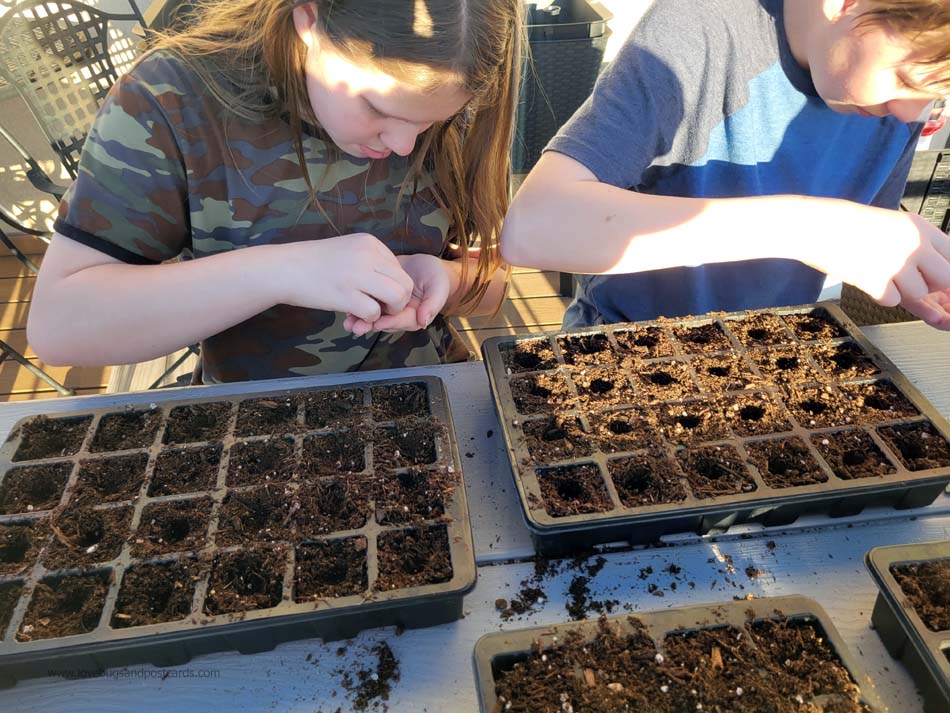
To make this lesson visual and memorable, families can plant actual seeds together.
- Give each child a small cup or pot (this is even better if you can find something clear so they can see the roots as they grow)
- Let them fill it with soil.
- Have them plant a seed. (Some ideas are basil, marigold, petunia, zinnia, cilantro, parsley, beans, peas)
- Label the pot with a gospel principle (faith, prayer, scripture study, kindness).
- Place it where they can see it daily.
- Water it regularly and watch it grow.
As the plant grows, connect each stage to spiritual growth. This works beautifully for toddlers through teens because the lesson unfolds over time.
Why planting seeds of faith is important
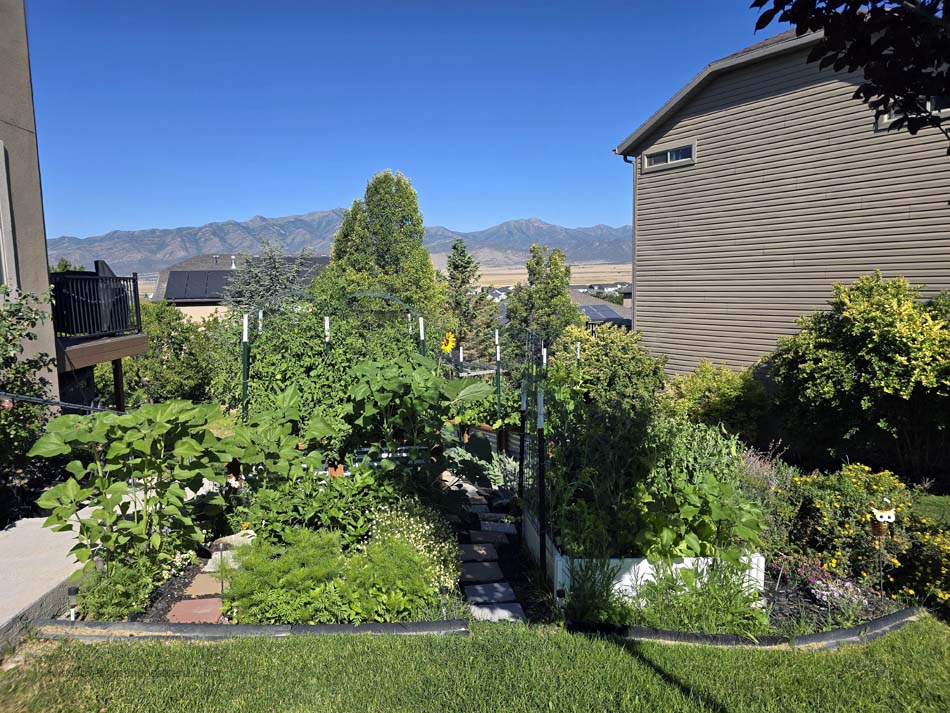
Faith grows quietly, steadily, and beautifully when we give it the right environment. Whether your children are very young or nearly grown, the symbols of soil, water, sunlight, and seeds can help them understand how testimonies develop—and how they can help plant seeds of faith in others. Just as the garden grows big and strong, so can your testimoney.
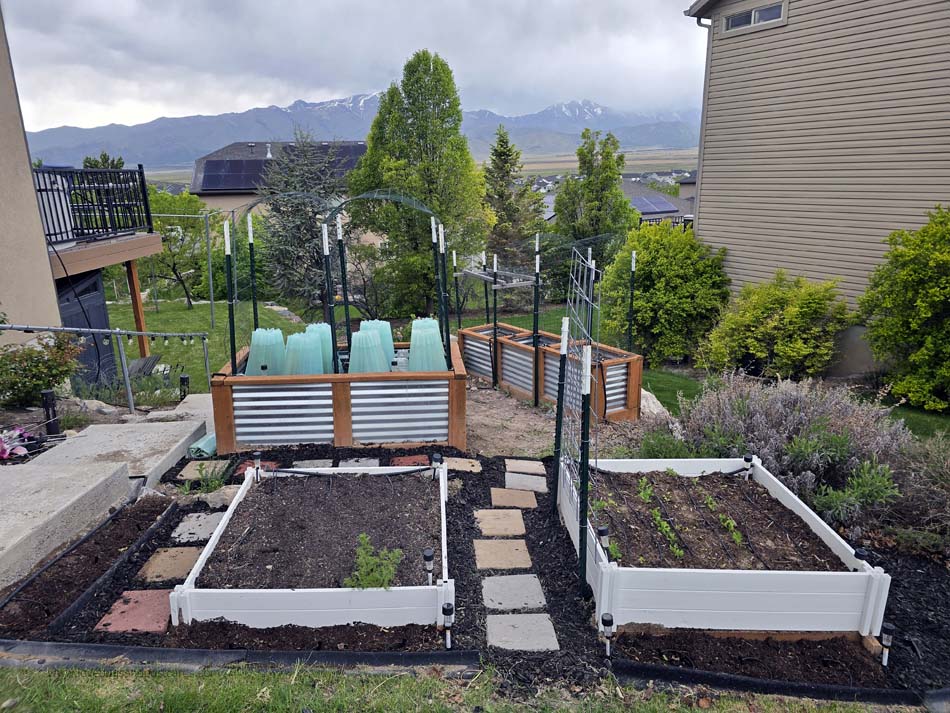
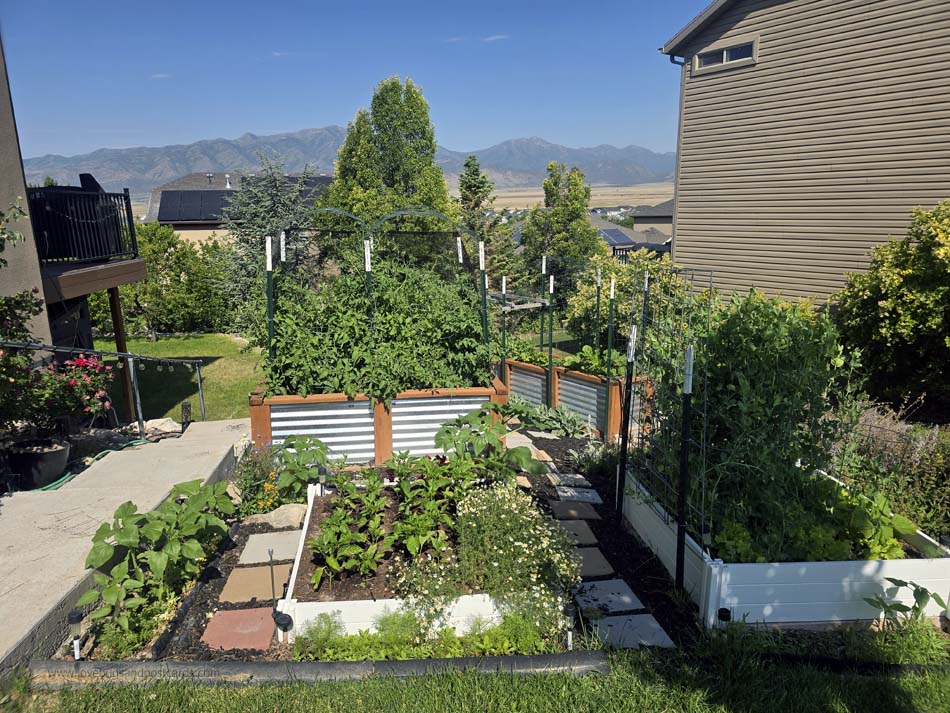
If you don’t want to do individual plants, having them help you plant your garden and take care of it all summer is a great way to show them what it means. And even to the producing of fruit which is another important part.
A great talk about Testimony is The Power of a Personal Testimony by Elder Dieter F. Uchtdorf
More posts like this:
7 Ways to Find Balance in a Busy World