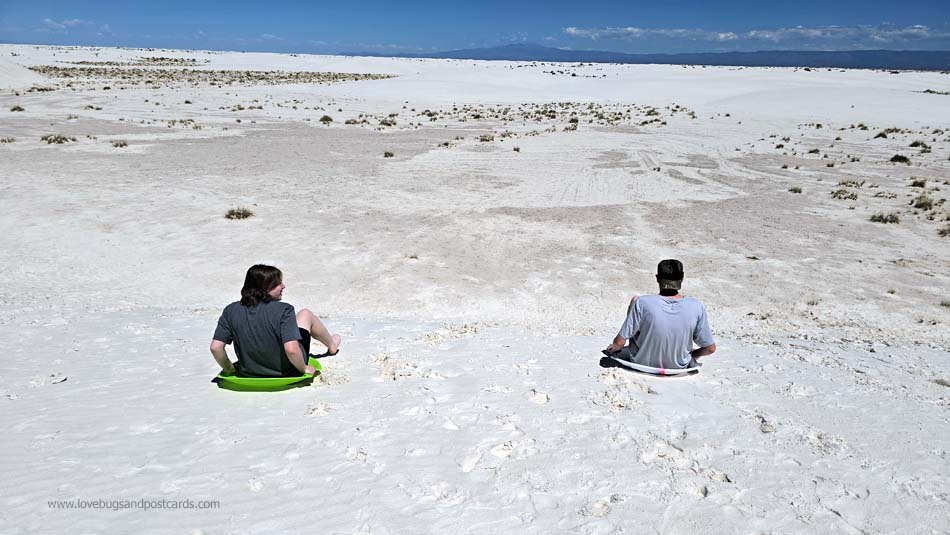
New Mexico’s Tularosa Basin offers one of the most striking landscapes in the American Southwest: the brilliant white gypsum dunes of White Sands National Park. Covering 275 square miles, this dunefield is the largest of its kind in the world and creates a setting that feels both peaceful and otherworldly. We stopped at White Sands National Park in New Mexico on our way down to the Carlsbad Caverns from Utah. We also stopped at Carrizozo Lava Flow Fields, Pistachioland, and passed Three Rivers Petroglphs on the way to White Sands. I recommend all of them if you can fit them in.
White Sands National Park – New Mexico
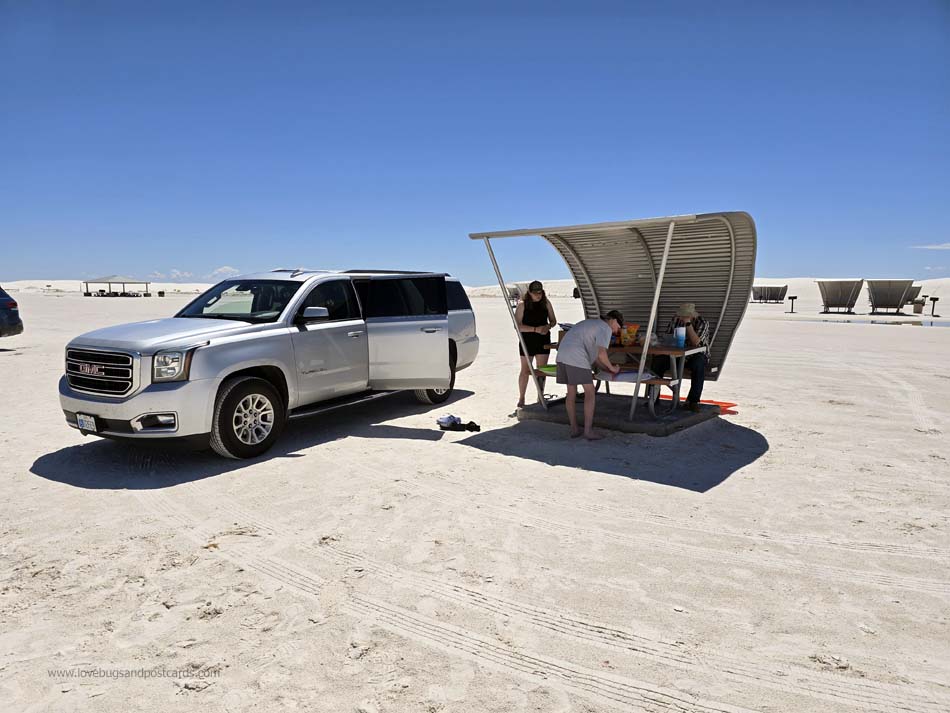
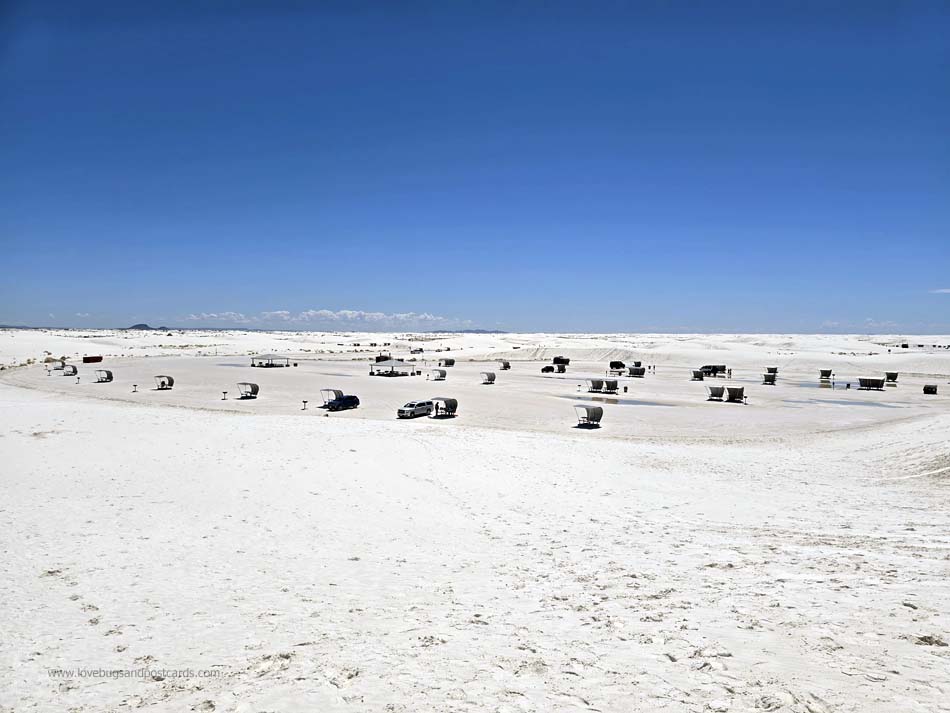
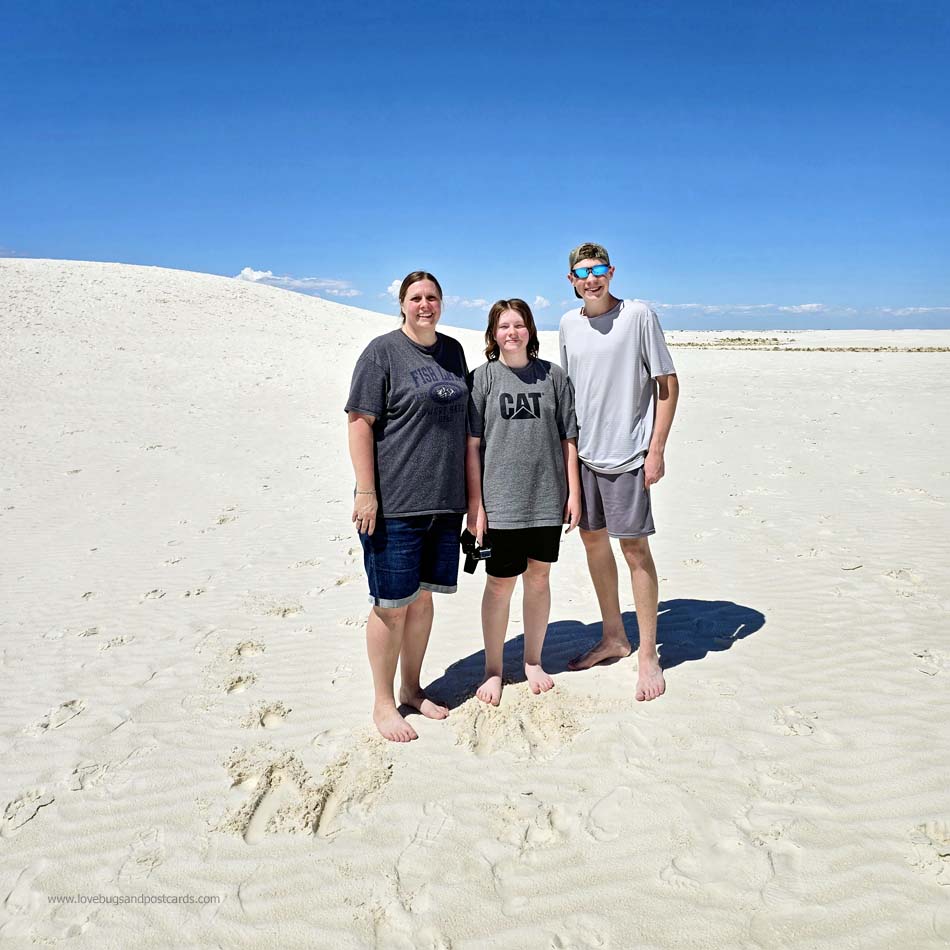
What Makes White Sands Unique
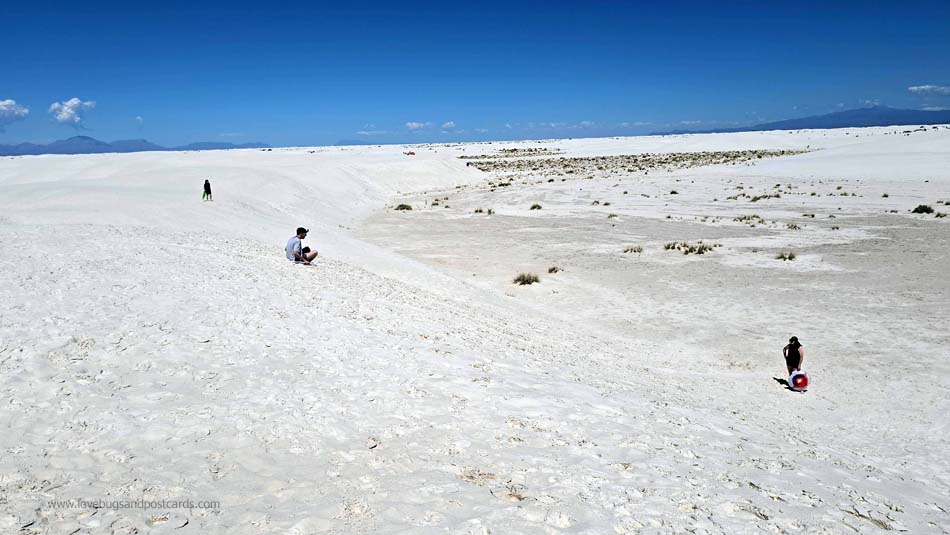
The dunes are made of gypsum crystals rather than quartz, which means the sand stays cool even under intense sun. The result is a soft, bright, almost snow‑like surface that’s comfortable to walk on year‑round. Wind constantly reshapes the dunes, so the landscape is never the same twice. Families especially enjoy White Sands because the dunes invite simple, open‑ended exploration—running, climbing, rolling, and wandering without a set trail. It’s a place where you can slow down and enjoy the quiet beauty of the desert. We had a lot of fun picnicking and sledding down the dunes.
Things to Do
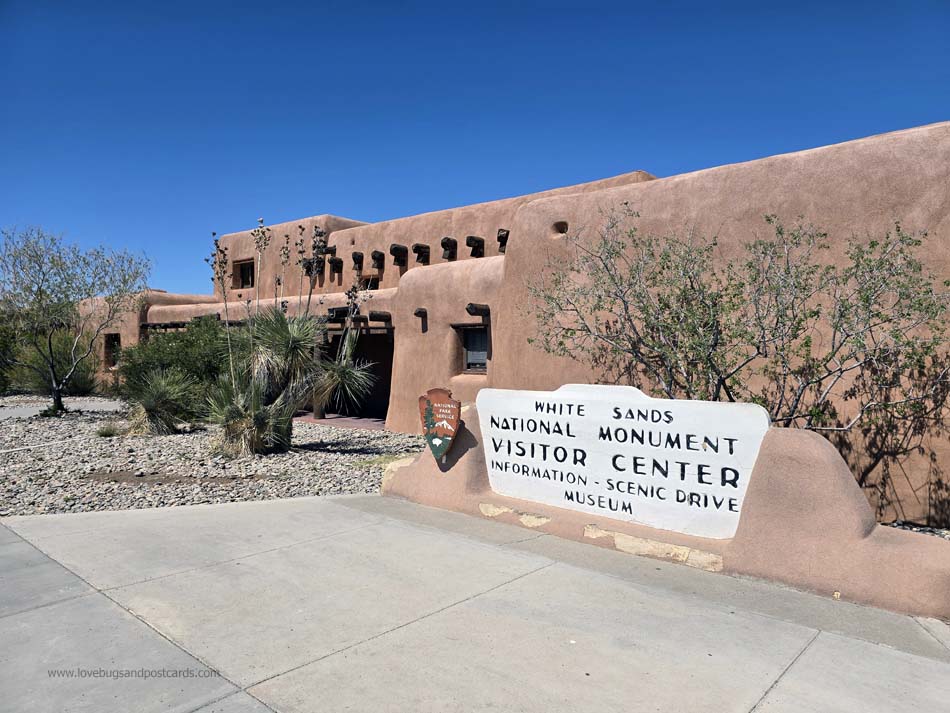
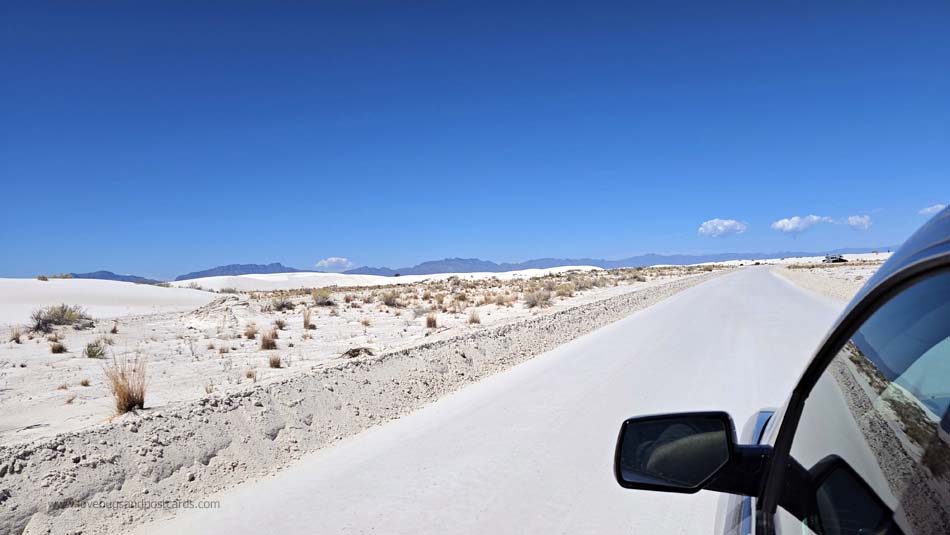
Dunes Drive takes you deep into the heart of the park, with pullouts for walking, photography, and picnicking. Short trails like Playa, Dune Life Nature Trail, and Interdune Boardwalk offer easy ways to learn about the geology and wildlife. Some of the trails may be closed. I recommend stopping at the visitor center first, getting all the information, and picking up a Junior Ranger Book before you head out to explore the dunes. We brought sleds with us from home, and bought wax at the Pistachioland store, but they also sell it in the visitor center. Dune sledding is a popular activity, though the gypsum texture makes it slower than people expect. Sleds and wax are available at the visitor center.
- Drive the Dunes Drive loop
- Sled on the sand
- Hike the short trails
- Photography
- Picnic
Best Time to Visit
While the sand stays cool, the air temperatures can be extreme in summer. February, March, and October offer mild weather and comfortable conditions for hiking and photography. We went in April, and the weather was nice. Just DON’T forget sunscreen!
Practical Tips
The white sand reflects sunlight intensely, so bring sunglasses, hats, sunscreen, and plenty of water. The park has lower entrance fees than many national parks, and annual passes are available.
Learn more about White Sands National Park here
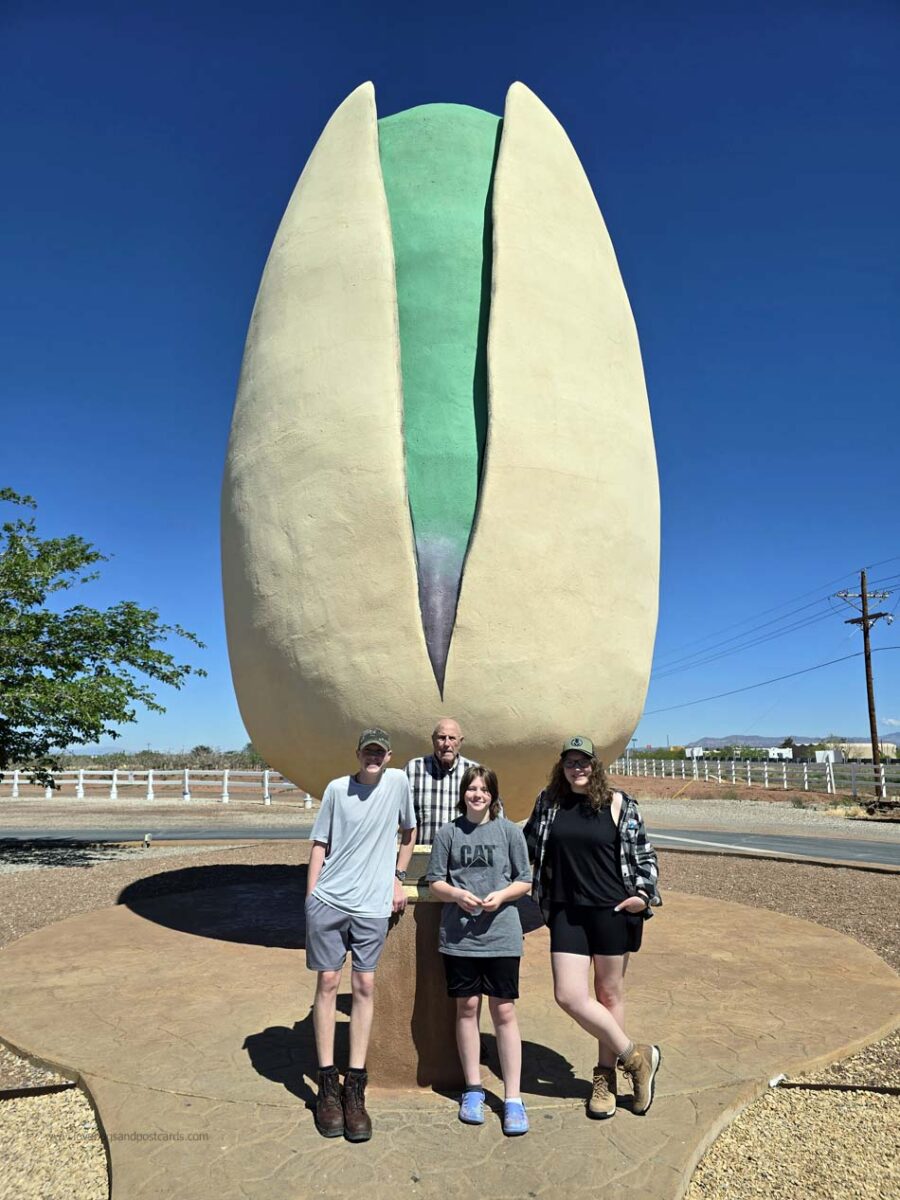
Pistachioland – A Fun Stop on the Way
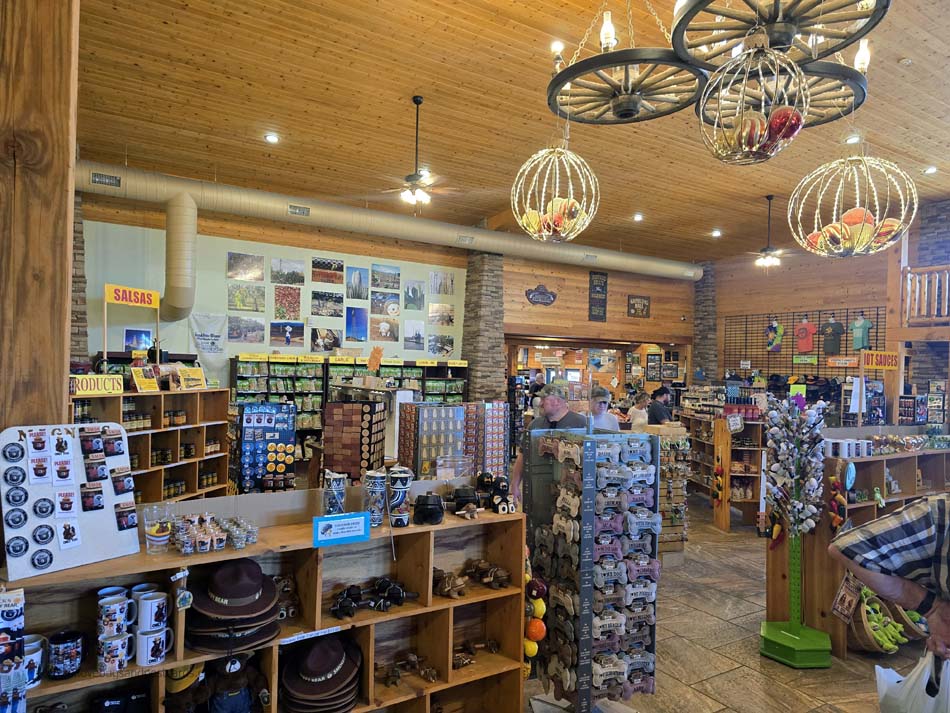
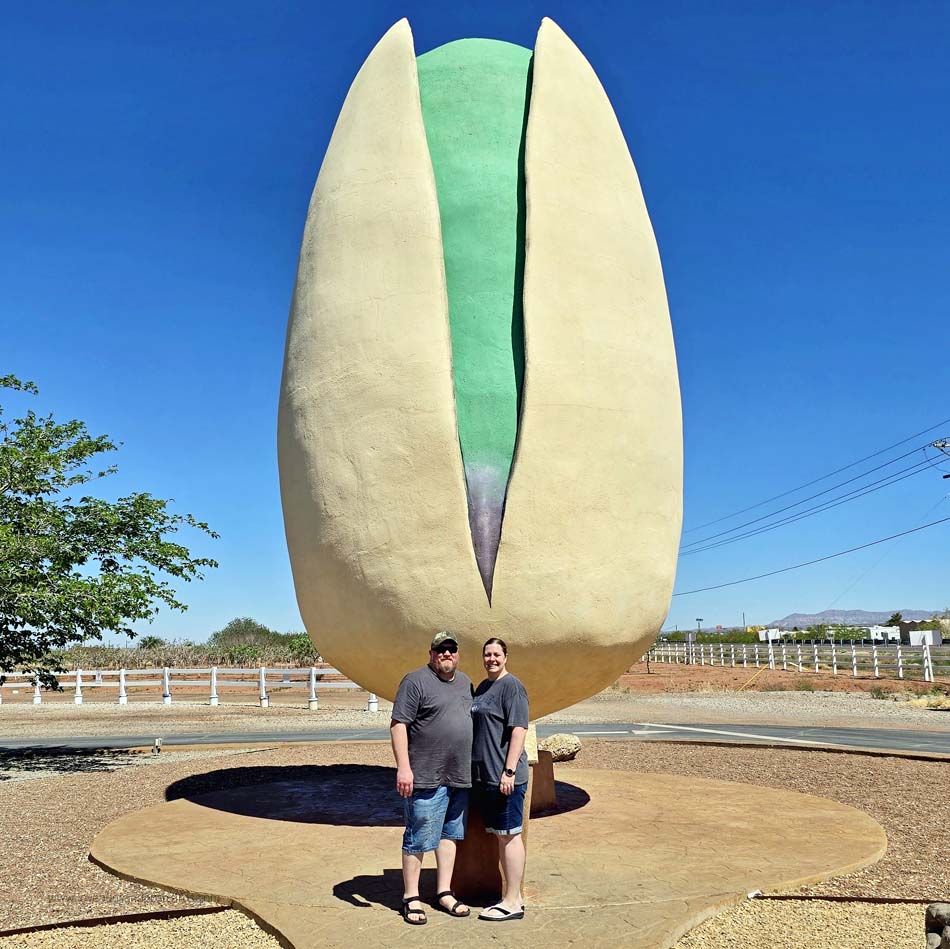
Just north of Alamogordo, Pistachioland is a quick, worthwhile stop on your way to White Sands. The “World’s Largest Pistachio” makes for a fun photo, but the real highlight is the farm store, where you can sample flavored pistachios, local wines, and regional treats. The ice cream shop was in full swing as well.
Open‑air tram tours offer a short, engaging look at how pistachios grow in New Mexico’s desert climate. It’s an easy break in the drive and a hit with kids and adults alike. We didn’t do the paid tour, but we had fun looking around the visitor center, taking pictures, and sampling some of the treats.
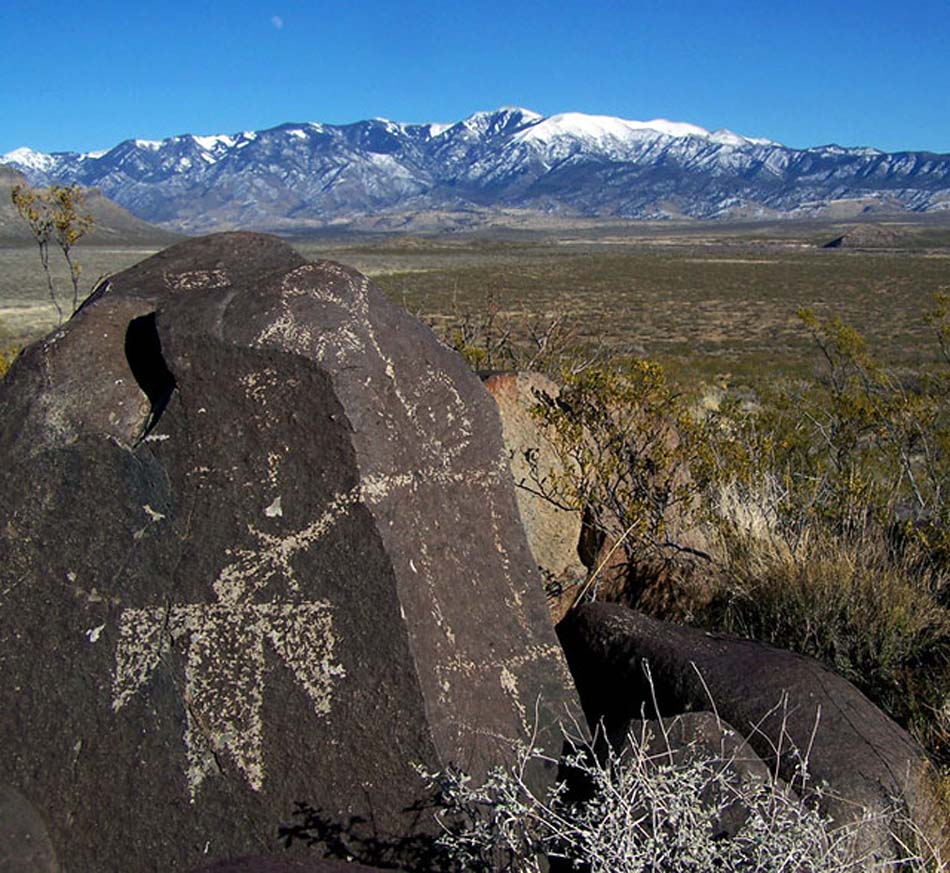
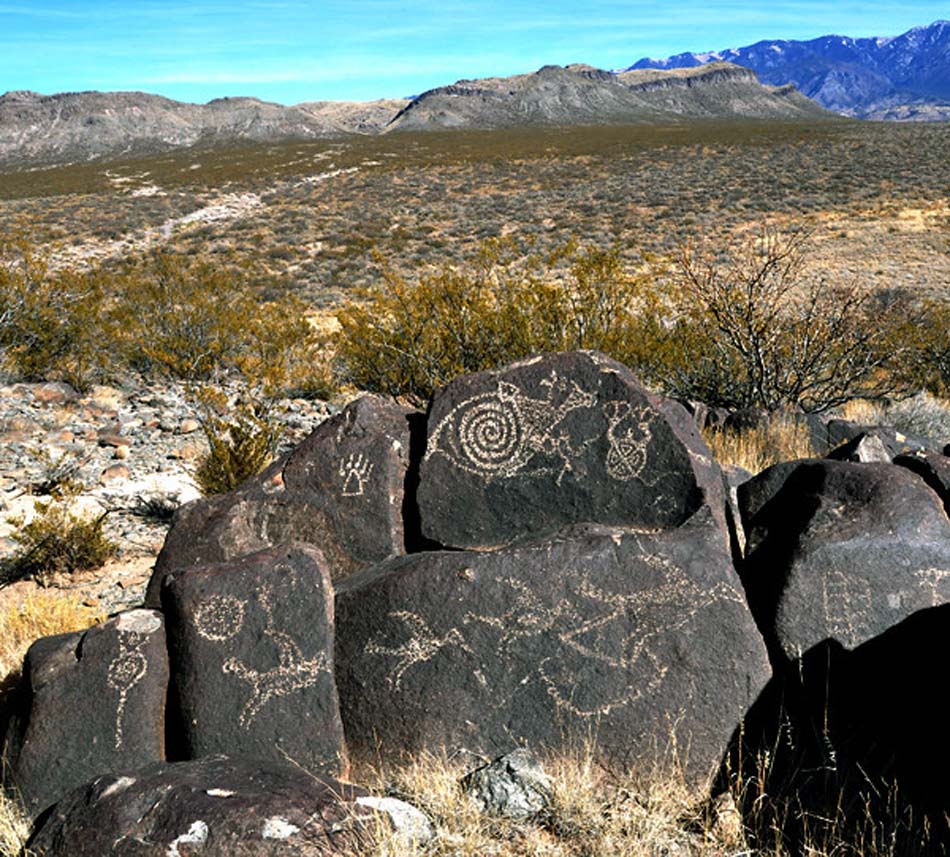
Three Rivers Petroglyph Site – A Cultural Detour
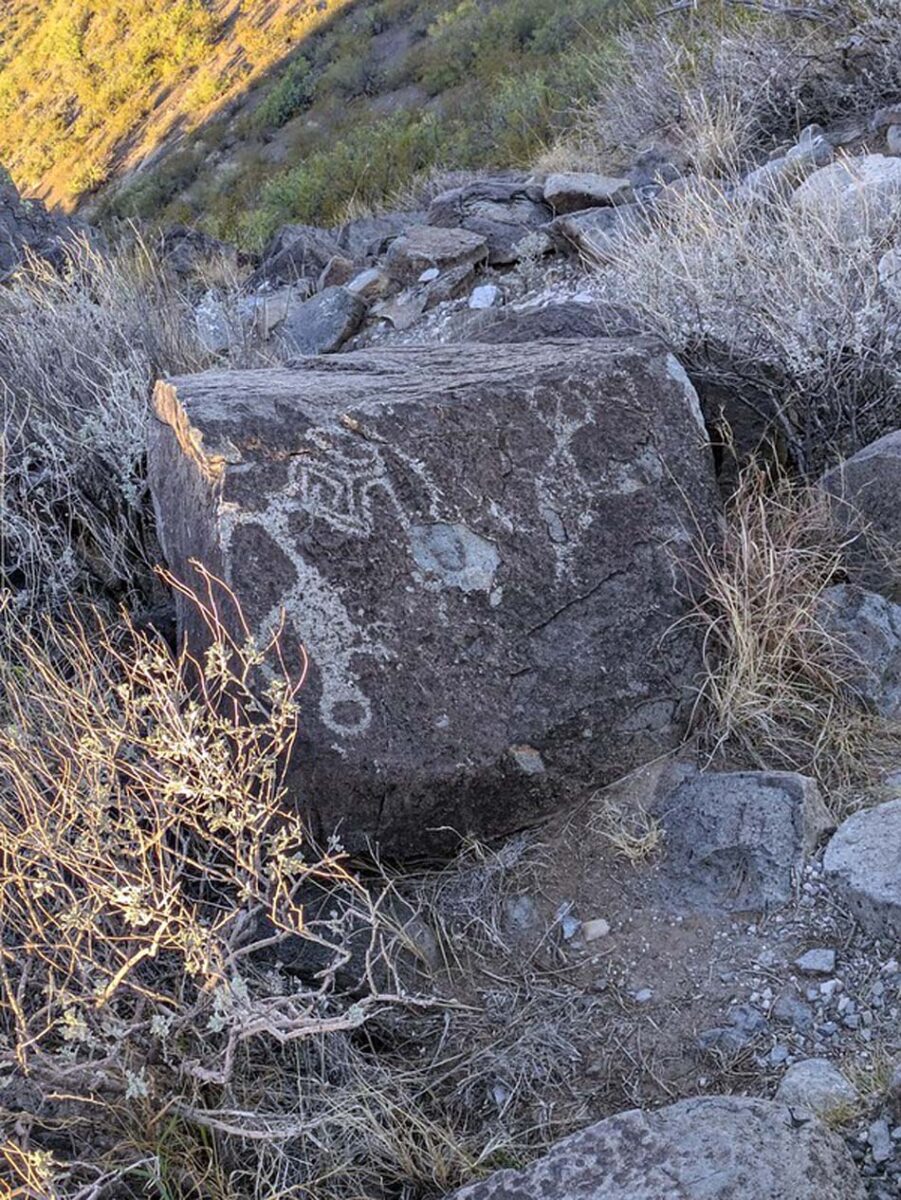
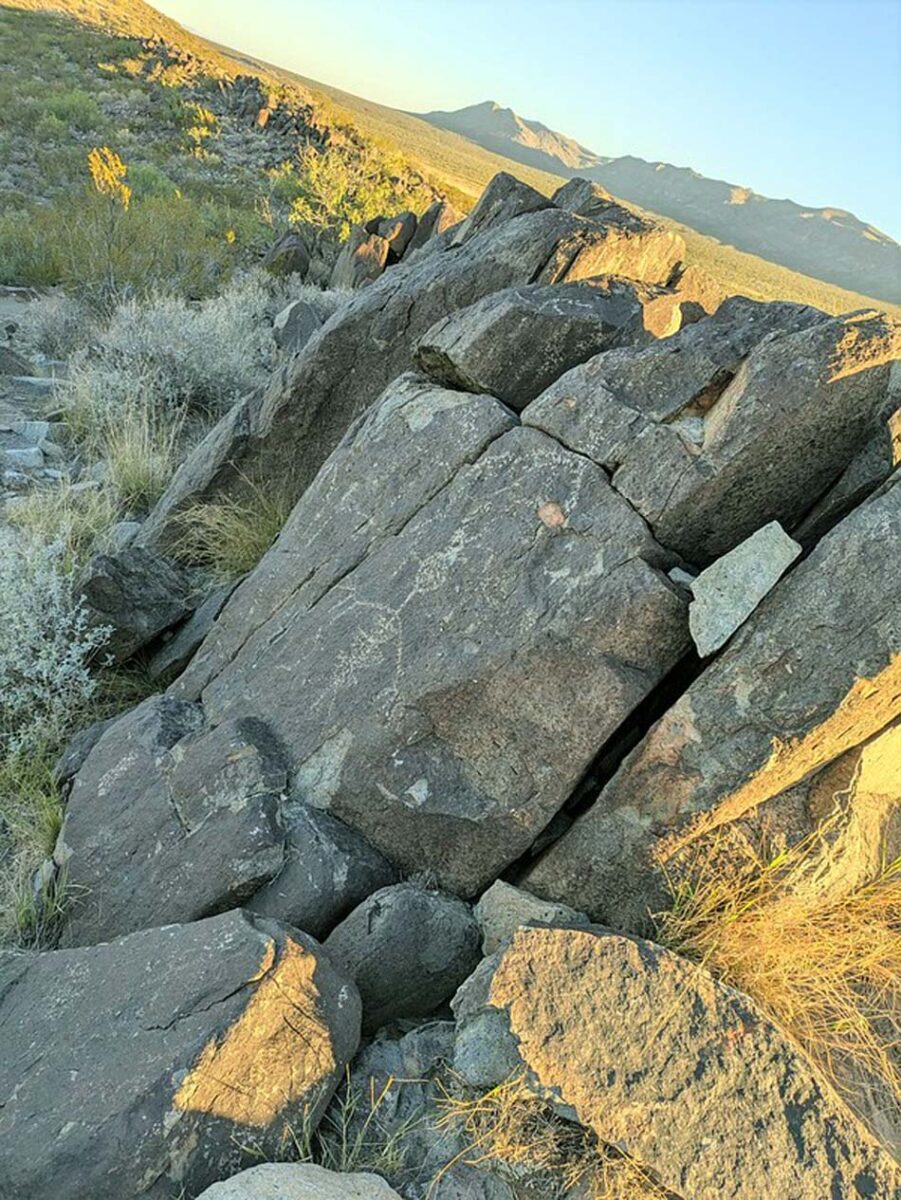
If you have extra time, the Three Rivers Petroglyph Site adds a meaningful historical layer to your trip. Located about 45 minutes northeast of White Sands, it contains more than 21,000 petroglyphs created by the Jornada Mogollon people between roughly 900 and 1400 CE.
A short trail winds through basalt outcrops covered in carvings of animals, masks, geometric patterns, and daily life scenes. The site is unusually accessible—you can get close enough to see fine details—and the surrounding views of the Sacramento Mountains and Tularosa Basin are outstanding. This stop pairs well with a White Sands visit if you want to balance natural beauty with cultural history.
We were running a little behind so we didn’t get to stop there on this trip, but it is on my list for next time! All Three Rivers images are from here
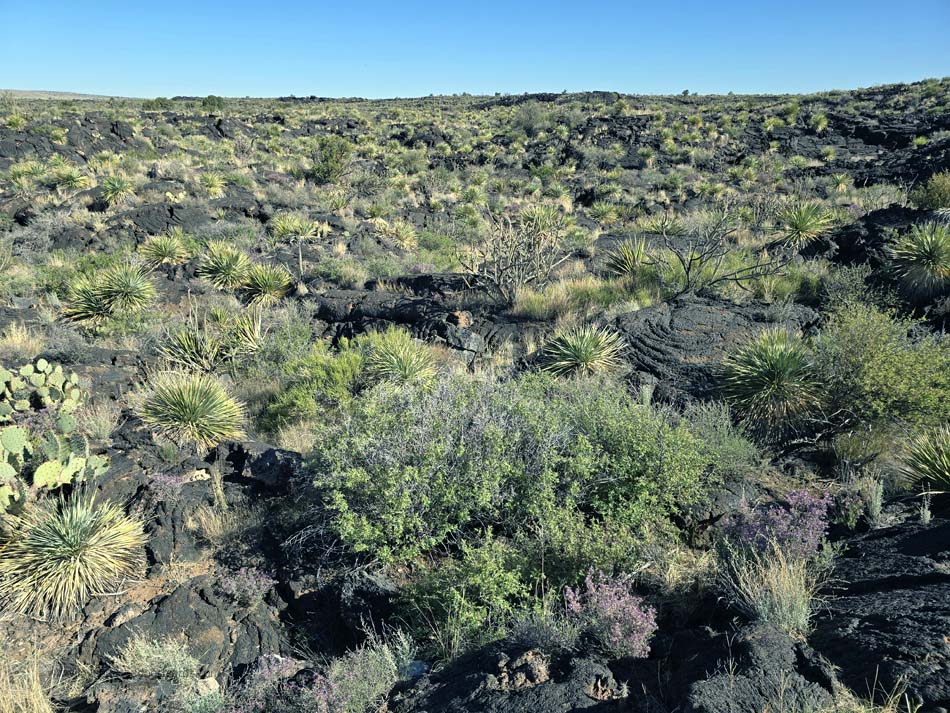
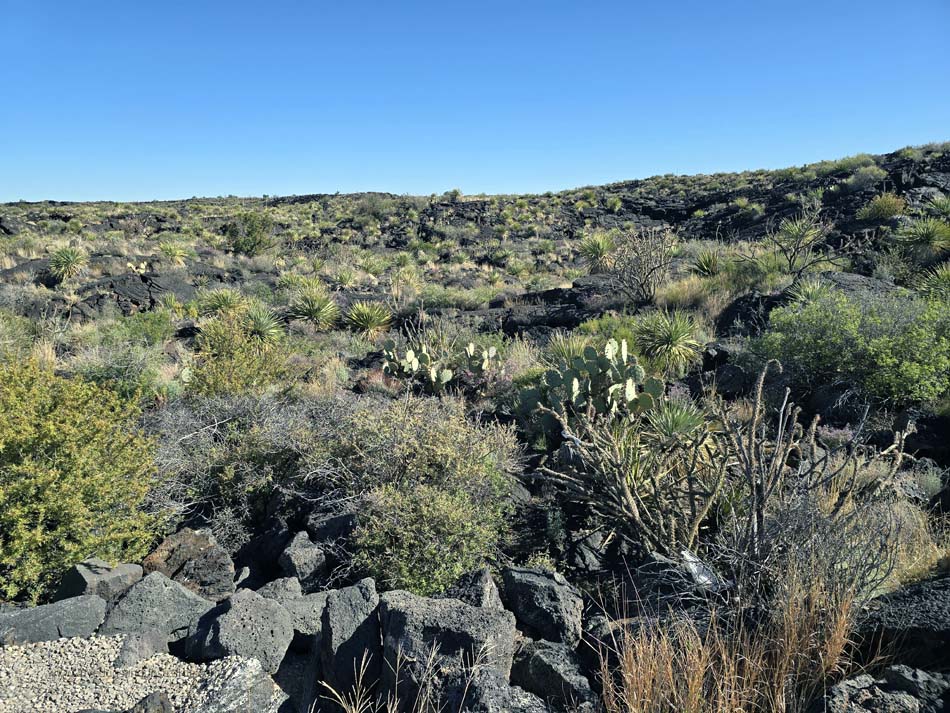
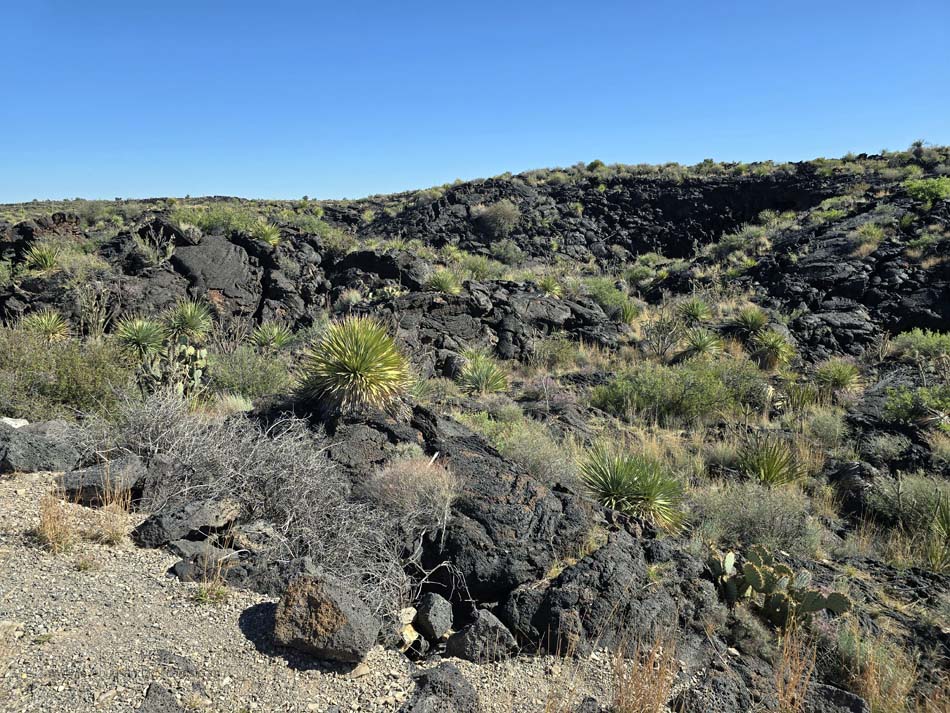
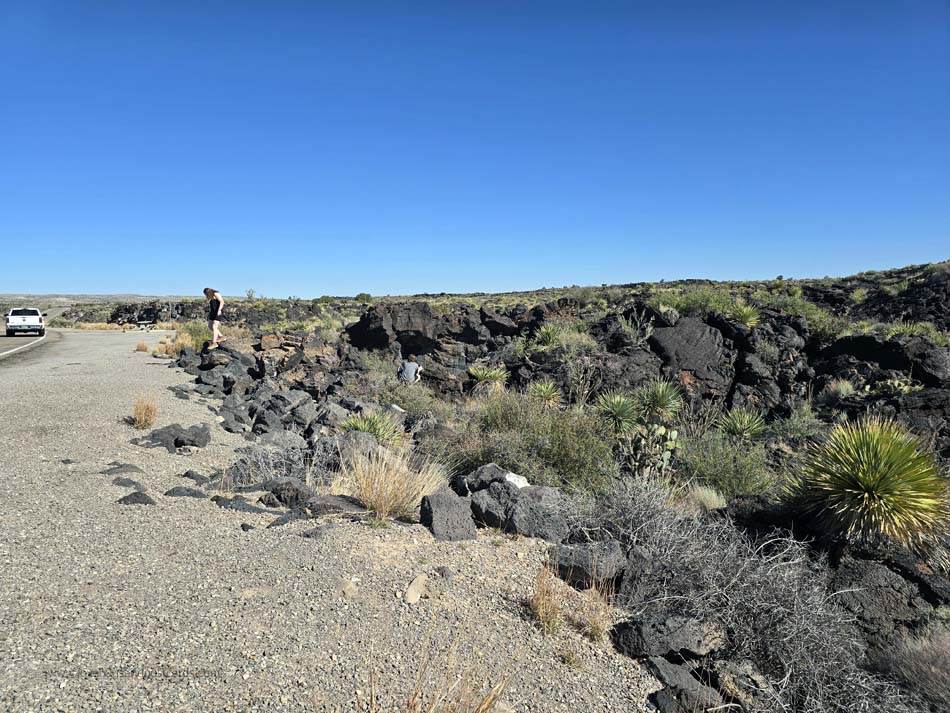
Carrizozo Lava Flow Volcanic Field
Another fascinating feature of the region is the Carrizozo Lava Flow, one of the youngest and largest basaltic lava flows in the United States. Stretching roughly 40 miles across the Tularosa Basin, this volcanic field was formed about 5,000 years ago by an eruption from Little Black Peak. The flow’s dark, rippled surface contrasts sharply with the bright gypsum dunes of White Sands, creating a dramatic geological pairing within the same landscape.
While much of the lava field is rugged and inaccessible, roadside viewpoints along US‑380 offer excellent opportunities to see the scale and texture of the flow. It’s an easy, worthwhile addition if you’re already traveling through the northern part of the basin or heading toward Carrizozo or Lincoln National Forest. We just pulled off the side of the road to see this part, but there are other pullouts and a stop you can do to see more. Learn more about Carrizozo here.
A Memorable Day in Southern New Mexico visiting White Sands National Park
Whether you’re climbing cool white dunes, sampling pistachios under desert skies, or tracing ancient carvings on volcanic rock, this corner of New Mexico offers a mix of landscapes and experiences you won’t find anywhere else. It’s simple, striking, and full of moments that stay with you long after the trip ends.
More posts we think you will like:
Petrified Forest National Park – Route 66 Arizona
Wigwam Motel – Route 66 (Holbrook, AZ)
Standin’ on the Corner – Route 66 (Winslow, AZ)
Lava Flow Trail in Sunset Crater National Park – Arizona