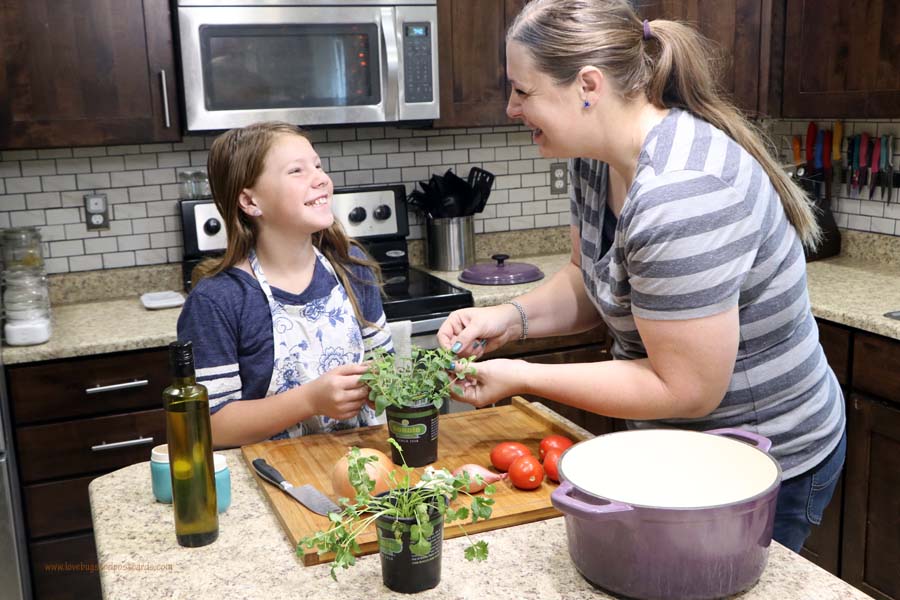
There’s a beautiful rhythm that happens when families gather around the table. It’s more than eating—it’s connection, tradition, belonging. When we plan our meals with purpose, we preserve something precious: time together, conversation, and nourishment of both body and soul. Ever since my oldest was a baby, we have made the choice to sit around the table and eat. Not every meal was perfect, but it was together. Over time, it was not only expected but asked for by my kids. Meal planning with purpose is important, and I am excited to share more about it.
Why Shared Meals Matter
- Strengthening relationships: Sitting down together creates a space for sharing highs and lows, laughter, and support.
- Encouraging healthy eating: Families who plan and eat meals together tend to include more balanced, home-cooked dishes instead of impulse or convenience choices.
- Establishing routines and security: Especially for children, consistent family meals signal that “this time matters.”
- Teaching life skills: From cooking and cleaning to manners and conversation, meals are mini-lessons in life.
- Creating memories and traditions: Whether it’s Taco Tuesday, a Sunday roast, or “everyone picks one highlight of the day,” meals become part of your family story.
Meal Planning with Purpose
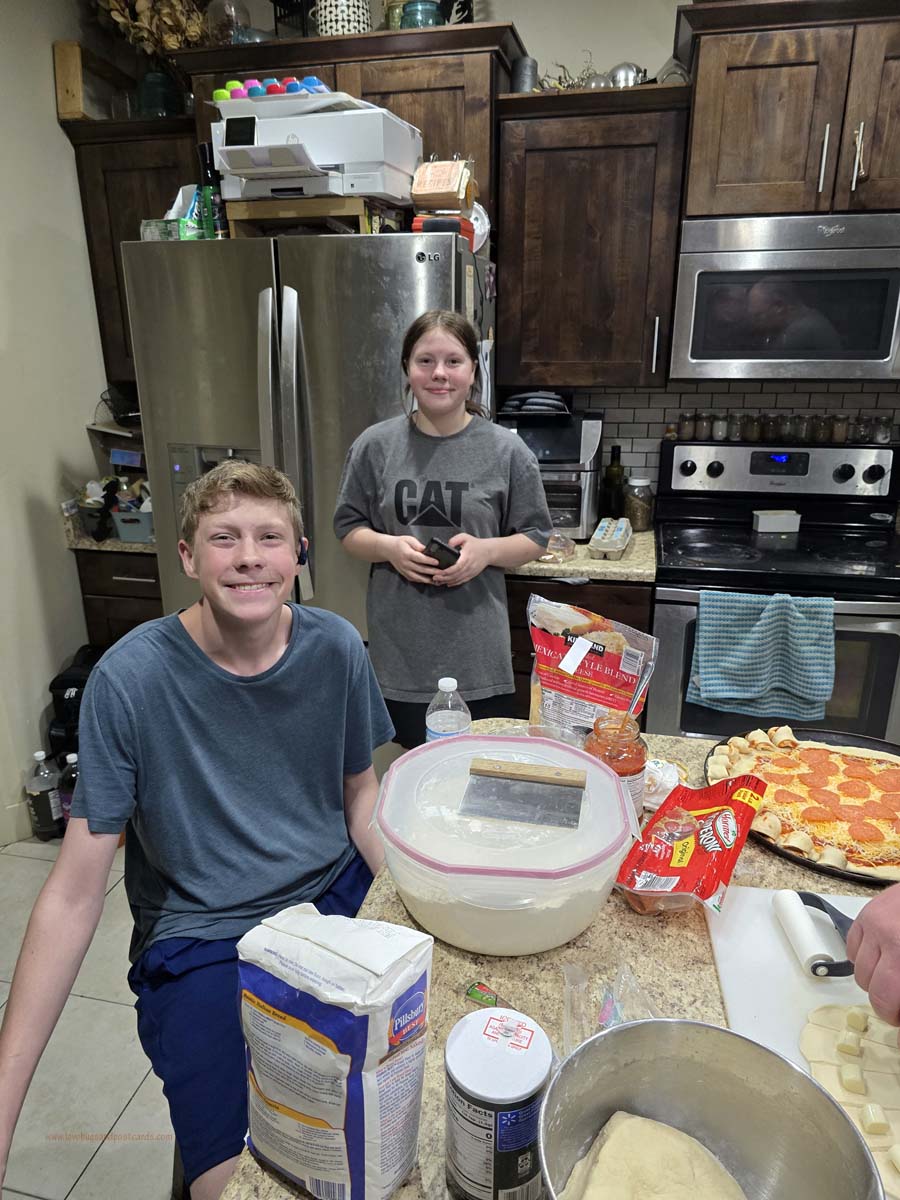
Meal planning with purpose is important. It gives you the chance to include your family in every step. From planning the meals, to buying or growing the ingredients, to executing the meal, and even cleaning up. Each step gives your family a chance to be part of the process and each thing they learn and grow together.
Here are some tips to make meal planning easier with your family
- Build a favorite meals list. You can look at ours to see how we did this
- Use a meal planner (like this one) to keep track of everything.
- Use a theme or category night: We like to do Italian, Slow-Cooker/Pressure-Cooker, Mexican, Chinese, Seafood, Family Fun, Breakfast, Leftovers, etc.
- Always check your calendar before planning: When sports, rehearsals, or late meetings are in the mix, plan for simpler meals or leftovers.
- Shop and prep ahead: Having a plan means less last-minute scrambling, fewer impulse buys, and more time at the table. You can even prep a few meals at a time and put a couple in the freezer.
A Purposeful Week of Meals — Sample Plan
Here’s one example of a themed weekly plan inspired by your “Easy Family Meal Ideas” categories:
- Sunday (Italian): Baked Ziti + salad + garlic bread
- Monday (Slow/Pressure-Cooker night): Slow-cooker peach pork roast with roasted vegetables and rolls
- Tuesday (Mexican night – Taco Tuesday!): Chicken taco avocados or street tacos + beans & rice
- Wednesday (Leftovers / simple meal night): Make use of leftovers or a quick homemade soup + bread.
- Thursday (Chinese/American-Asian fusion): Teriyaki rice bowls or sesame chicken + stir-fried veggies
- Friday (Seafood night): Pan-seared halibut + sautéed green beans + rice
- Saturday (Everything else / fun night): Pizza night, build-your-own calzones, or a family favorite you haven’t done in a while.
Conversation & Connection at the Table
It’s not just what you eat—it’s how you eat. Make the table a place of genuine connection. If you need help with conversation around the table, we have these great Printable Conversation Starters prompts for meaningful mealtime interaction. Just print them out and cut them. Then get a bowl or jar and pick one or two at each meal.
- Try questions like: “What was the best part of your day?” or “If you could have any superpower, what would you choose?” Then let them talk and stay positive and fun with the conversation.
- Encourage everyone to share, listen without screens, and treat dinner time as a sacred rhythm, not a rushed obligation.
- Don’t let your family come and get their food and then go off on their own. Try and keep everyone together for the meal, and even before and after if possible.
Overcoming Common Meal-Planning Roadblocks
- “We don’t have time.” Use your calendar to plan simple meals or leftovers on busy nights. Prep ahead when possible.
- “We eat the same thing over and over.” Rotate favorites from your lists and incorporate one new recipe each week.
- “Budget is tight.” Planning meals ahead means fewer spontaneous orders, fewer wasted ingredients, and better use of what you have. You can also plan meals around what is on sale, or what you have so that you can spend the least.
- “Kids won’t eat it / everyone has different tastes.” Use your meal-ideas list to include family favorites, let kids pick one dish each week, and involve them in prep. This is also a great time to teach your kids to eat what they get and not be picky. Food allergies and pickiness are different. Also, my kids learned from a very young age that they ate what was put in front of them, or they didn’t eat. There are very few exceptions.
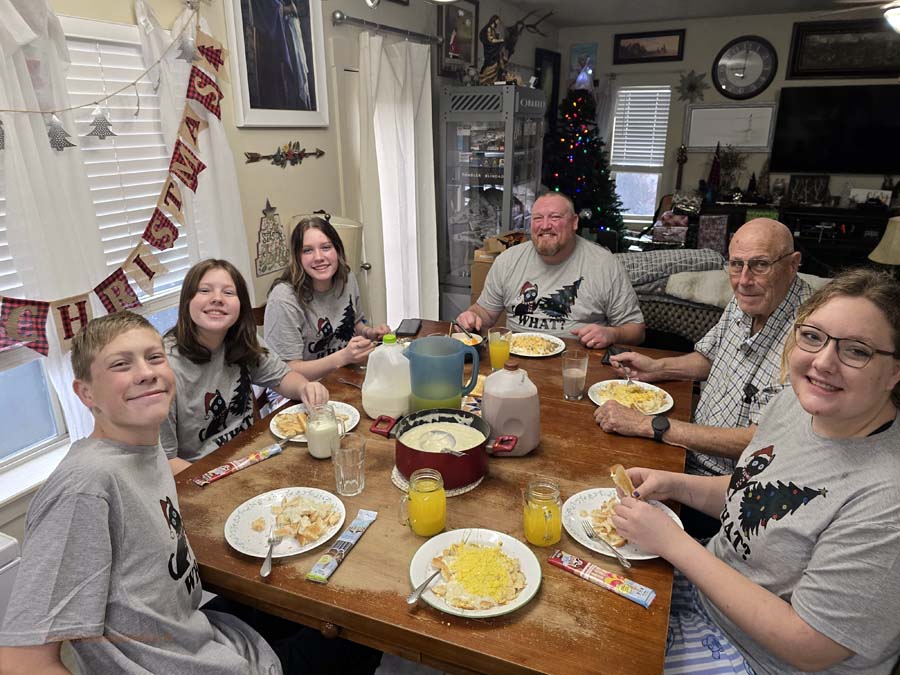
- “We’re too busy to sit together.” It’s okay if it’s 20 or 30 minutes instead of an hour. The point is consistent togetherness, not perfection.
When we plan with purpose, meal time becomes far more than food. It becomes culture. It becomes values. It becomes a place where children feel seen, couples reconnect, and families remember they belong together. As you make an effort to prioritize your family meal time, you empower yourself not just with menus, but with purpose.
Thank you for being intentional about your table. May your next meal be rich not just in flavor, but in connection, laughter, and belonging.