Proper fall garden cleanup is essential to protect your plants, improve soil health, and set your garden up for a productive spring. Taking the time to clean up your garden and prepare your soil now can prevent pests, diseases, and nutrient depletion, ensuring your plants thrive next season.
Why Fall Garden Cleanup is Important
Fall is the perfect time to wrap up your growing season and get your garden ready for winter. Benefits of a thorough fall garden cleanup include:
- Pest and disease control: Removing old plants reduces overwintering insects and disease spores.
- Improved soil fertility: Adding compost or organic matter restores nutrients for spring planting.
- Easier spring planting: Well-prepared soil in fall means less work in early spring.
- Protection from winter damage: Mulching and covering soil prevents erosion and nutrient loss.
Steps for Fall Garden Cleanup
A successful fall garden prep routine begins with cleanup. Here’s what to do:
- Remove spent plants: Pull out annuals, vegetables, and flowers that have finished producing.
- Dispose of or compost carefully: Diseased plants should be discarded, while healthy plant material can go into compost.
- Weed thoroughly: Remove weeds to prevent them from reseeding over winter.
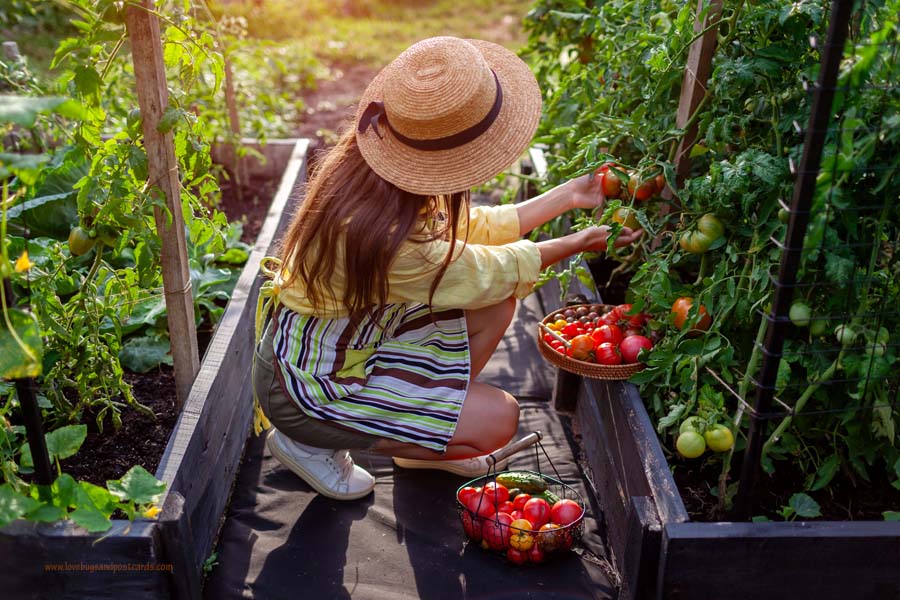
- Harvest remaining crops: Pick any late-season vegetables or fruits before frost.
- Clean garden tools: Prevent the spread of disease by washing and storing garden tools properly.
Soil Prep for Winter
After cleanup, focus on preparing your soil for the cold months. Key steps include:
- Test your soil: Check pH and nutrient levels to determine what amendments are needed.
- Add compost or organic matter: Improve soil structure, fertility, and moisture retention.
- Plant cover crops: Clover, rye, or vetch protect soil from erosion and add nutrients.
- Mulch heavily: Apply straw, leaves, or wood chips to insulate soil and reduce weed growth. (Use a thin layer so that you don’t get pests)
- Tidy raised beds: Remove old mulch, add compost, and ensure beds are ready for spring planting.
Additional Fall Garden Prep Tips
- Prune perennials carefully: Remove dead or damaged growth without cutting back healthy stems too severely.
- Protect tender plants: Use row covers or cold frames for plants that may survive light frost, like spinach
- Plan for next season: Make notes of what grew well, what didn’t, and any soil adjustments needed.
- Store seeds and bulbs: Dry and store seeds, and lift tender bulbs to prevent frost damage.
A little effort now with fall garden prep will pay off in spring. By cleaning up your garden and preparing your soil properly, you’ll reduce pests and diseases, improve soil fertility, and enjoy a healthier, more productive garden next year.